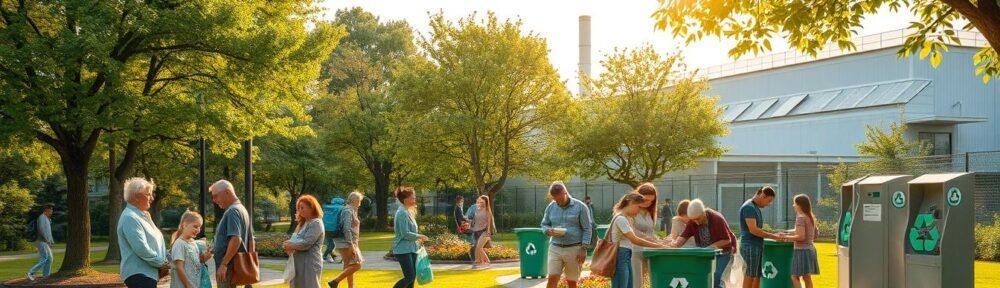
Ever stood at those color-coded bins, pizza box in hand, wondering if you’re making a difference or just performing environmental theater? That moment of confusion reveals something deeper about our collective waste habits.
Sorting your containers isn’t just about looking good—it’s economic magic. While we think we’re doing our part, the real magic happens behind the scenes. It creates jobs and saves cities money.
But here’s the catch—without knowing what gets recycled, we’re just moving garbage around. This leads to higher contamination rates.
The real value goes beyond feeling good. When done right, recycling turns waste into something valuable. It turns individual actions into a big impact. Learn how community recycling initiatives make cities smarter and economies stronger.
Building a Program
Starting a recycling program is more than just blue bins and hope. It needs careful planning, like a project manager’s dream project.
First, choose a Recycling Coordinator. This person is key to making your local initiatives work. They turn chaos into order.
Then, do a waste characterization study. It’s like digging through trash to find what can be reused. This study shows what materials can be recycled and what can’t.
The debate between curbside and drop-off recycling is like Mac vs PC. Curbside is easier and gets more people involved. Drop-off centers are cheaper but need more effort from residents.
Successful recycling programs turn trash into money. They save costs and make money from materials. It’s like magic that makes sustainability pay off.
Working with other communities is smart. It saves money and boosts marketing. You get better deals and lower costs.
Designing recycling centers is like urban planning. You need easy access, protection from the weather, and good traffic flow. It also matters how it looks to attract users.
Choosing between public and private collection is a big decision. It depends on what your community needs and can afford.
Good intentions alone are not enough. For a detailed guide on starting a recycling program, check out this guide on how to start a recycling program. It covers the basics of making your local initiatives succeed.
Engaging the Community
To get people excited about sorting trash, we need more than just reminders and recycling bins. We need eco-psychology. This is the art of making sustainability fun, not a chore.
Starting early is key. No one likes surprises, and trash sorting is no exception. Begin with a “mixed media blitz” months before the program starts:
- Official letters that make residents feel special
- Social media campaigns that get shared
- Kick-off events with lots of pizza and fun
- Personal outreach to turn skeptics into supporters
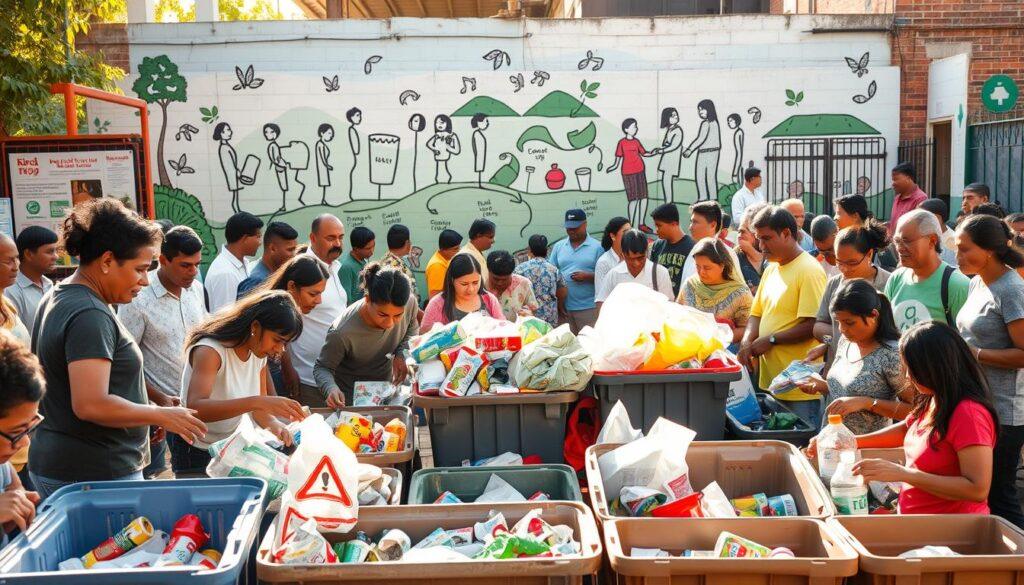
Getting schools involved is a smart move. It turns kids into recycling champions. They encourage their families to recycle, making it a family affair.
Workshops make learning hands-on. Watching adults debate what to recycle is fun. It’s a way to learn by doing, with better snacks.
Technology adds magic to recycling. Apps that check if something is recyclable are like having a personal helper. Social media campaigns that make recycling shareable are even better.
But, we must clear up misconceptions. “Wishcycling” – tossing everything hoping it’s recyclable – is a big problem. It costs a lot and is not effective.
Being clear about what happens to recycling builds trust. Transparency is better than promises. When people know what happens to their recycling, they become active participants.
Feedback loops are powerful. Seeing the impact of recycling – pounds saved, trees planted, carbon reduced – gives a sense of accomplishment. It’s a way to encourage good behavior.
| Engagement Method | Target Audience | Key Benefit | Implementation Tip |
|---|---|---|---|
| School Programs | Families | Intergenerational impact | Make it curriculum-aligned |
| Social Media Campaigns | Younger demographics | Viral impact | Use local influencers |
| Hands-on Workshops | All residents | Tactile learning | Include immediate feedback |
| Mobile Applications | Tech-savvy users | 24/7 accessibility | Integrate with local guidelines |
| Feedback Reports | Data-driven residents | Behavior reinforcement | Show tangible community impact |
This isn’t just education – it’s changing the community for the better. The best community recycling programs mix heart and mind. They make recycling a team effort, not just a duty.
Done right, your community recycling program becomes a source of pride. It’s not just about recycling bins and trucks. It’s about feeling proud to contribute to a greener future.
Overcoming Challenges
Running a recycling program is like playing whack-a-mole with sustainability issues. Just when you solve one problem, another pops up. Funding and public resistance can be big hurdles.
Some communities face contamination rates over 25% because recycling rules are hard to follow. Limited resources are a common problem. But, some places are finding creative ways to tackle these issues with local initiatives.

Washington D.C.’s “Oops Tags” program cut contamination from 33% to 11%. They leave notes on bins reminding people what can’t be recycled. This approach works well in different living situations.
Recycling education needs to be tailored to each community. It’s not just about being fair—it’s about being effective. Programs that consider language and housing types are more successful.
Partnerships are key to successful local initiatives. Working with businesses can help everyone. Companies get to boost their CSR, and communities get the resources they need.
Finding funding for recycling programs requires creative solutions:
- Small fees in waste management services
- Corporate partnerships with material users
- Grants for waste reduction
- School programs to lower education costs
Self-interest can be a powerful motivator. Regular audits and maintenance plans turn challenges into chances for growth. It’s about building systems that can handle problems.
The best programs see contamination as a communication issue, not just a rule problem. They use clear messages and feedback. If people don’t understand the rules, they’ll make their own.
Celebrating Success
Real success in community recycling isn’t about getting trophies. It’s about real numbers that even the toughest critics can’t ignore. When your local efforts lead to 75% diversion rates and create 5-10 jobs per thousand tons, that’s a big win.
Turning data into stories is where the magic happens. Numbers like methane emissions cut down (like taking millions of cars off the road) become your community’s top achievements. It’s not just about looking good – it’s real change, measured in tons not sent to landfills and money saved.
Success begets more success. Those wins open doors to bigger projects like recycling #5 plastics or e-waste. Your recycling program becomes a springboard for more green initiatives, just like that first Netflix show that gets you hooked.
At its heart, celebrating these wins means seeing the big picture. Each sorted bin shows that environmentalism is real and works. It proves that when we all work together, we can make a difference in a world that often doubts it.