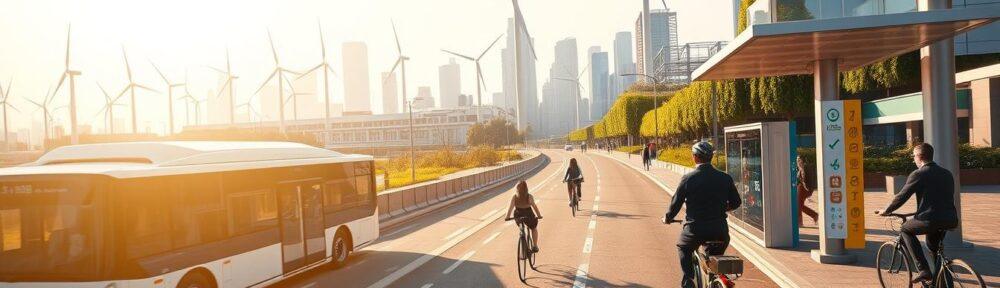
The term “green transportation” often brings up images of eco-friendly cars and good deeds. But the truth is, it’s a tough challenge in engineering.
Imagine making our whole transportation system use less carbon. It’s like a big change in how we use energy. We need everything to work together smoothly.
The sun shines only during the day, and the wind blows when it wants. This is the problem Khalifa University’s Advanced Power and Energy Center (APEC) is trying to solve. They work on making power systems smart and reliable.
This isn’t just about making electricity. It’s about creating systems that can use that electricity well. This is a big deal for our future, not just a small project.
Solar-Powered Transportation: Solar EV Charging Stations, Solar Carports, and Integrated Solar Systems
Why plug your electric car into a grid that might burn coal? You can plug it into the sky instead. Solar EV charging makes this possible, turning parking spots into mini power plants.
We’ve moved beyond just rooftop panels. Today, we have integration. Solar carports are now shading parking lots. They’re covered in panels that work silently while you shop or work. Park, and power up at the same time.
Research backs up this vision. Places like APEC are working on the tech needed for seamless charging. They aim to make vehicles charge directly from sunlight, cutting ties to fossil fuels.
Let’s talk about saving money. Why pay high rates to the grid at noon when the sun is out? An integrated solar system works as a self-sufficient energy island then. It balances demand and supply right where they meet.
The tech is here and being used. Universities and commercial hubs are installing these stations. It’s a step towards a decentralized, resilient energy network. Your local mall’s parking lot becomes part of the solution.
This is the future of transport. It’s not just electric. It’s about being directly connected to clean energy. The shift to solar EV charging and integrated systems is a big change. It’s simple yet profound.
Wind Energy Integration: Wind-Powered Charging Networks and Grid-Connected Transport Infrastructure
Solar energy is steady and reliable, but wind power is like a rockstar—full of energy but unpredictable. Using wind for wind power transport is a big deal. It involves huge wind farms that feed power into our transportation systems.
Wind is a big player in global electricity production. These wind farms can power entire EV charging networks. The National Renewable Energy Laboratory sees wind as key to powering our vehicles. This is a big step.
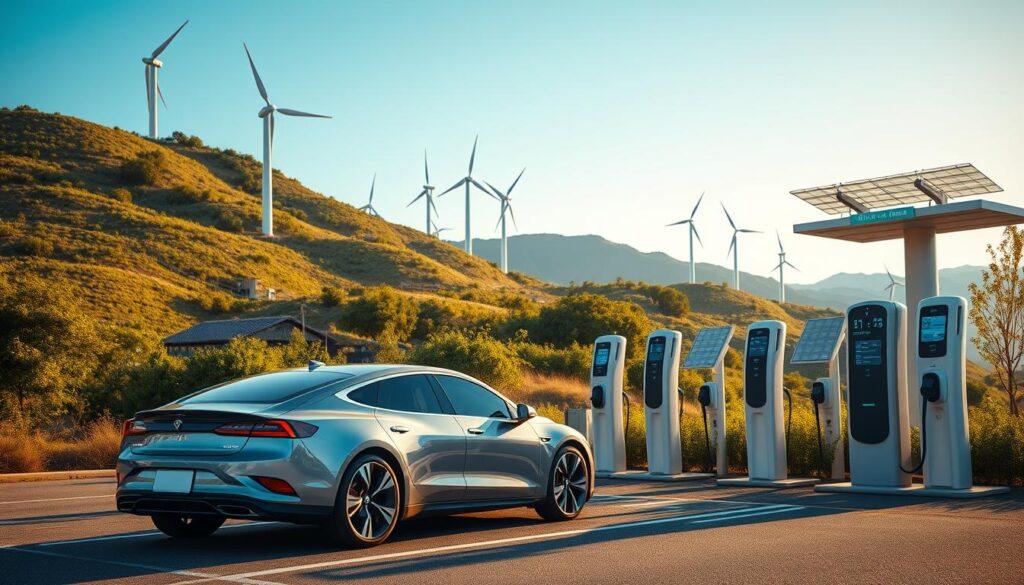
The wind doesn’t blow when we need it to. Your truck needs a charge at 3 PM, but the wind might not be there. This is the main challenge.
The solution is to connect the grid to wind power. We need charging systems that can handle the ups and downs of wind. This makes vehicles more than just users of energy. They can also help stabilize the grid.
This isn’t just a dream. We’re building systems that work with wind energy. Smart charging hubs and grid-powered railways are part of this. The goal is to make transport a key player in the energy market.
The vision for wind power transport is clear. We’re moving from idea to reality. It needs big infrastructure and smart technology. When we succeed, we power vehicles and balance the renewable ecosystem. That’s a big step forward.
Renewable Energy Storage: Battery Systems, Grid Stabilization, and Peak Load Management
Solar and wind are the stars of green energy. But, they’re not always on stage. That’s where energy storage comes in. It makes sure the show goes on all day, every day.
Energy storage is like a reliable sidekick. It turns on when the sun and wind are off. This keeps our electric vehicles and cities running smoothly.
Batteries are at the heart of this system. They’re like big savings accounts for energy. They store energy for later use, like when it’s needed most.
The National Renewable Energy Laboratory (NREL) is working hard on these batteries. They’re looking at how to make them work better. For example, they found that keeping batteries cool can make them up to 20% more powerful.
NREL also leads a group focused on home storage. They’re working on systems that can be installed right at your house. This makes energy storage more accessible to everyone.
Storage does more than just hold energy. It helps keep the grid stable and manages peak loads. This means less strain on the grid and lower costs for everyone.
| Application Scale | Primary Technology | Key Function | Direct Benefit |
|---|---|---|---|
| Utility-Scale Storage | Lithium-ion, Flow Batteries | Grid Stabilization & Bulk Energy Time-Shift | Integrates large wind/solar farms, prevents blackouts |
| Commercial & Industrial | Lithium-ion Battery Arrays | Peak Shaving & Demand Charge Reduction | Lowers electricity costs for businesses, supports green energy mobility fleets |
| Behind-the-Meter Residential | Home Battery Systems (e.g., Tesla Powerwall) | Backup Power & Self-Consumption Optimization | Charges EVs with cheap stored solar, increases energy independence |
| EV Fast-Charging Hubs | High-Power Battery Buffers | Demand Spiking & Grid Congestion Relief | Enables ultra-fast charging without overloading local transformers |
The cost of batteries is dropping fast. This makes energy storage a smart financial choice. It turns unpredictable energy costs into stable ones. For more on how we’re moving towards a greener future, check out the latest green energy mobility initiatives.
Grid Integration Challenges: Load Balancing, Demand Response, and Smart Grid Technology
Adding renewables and EVs to our old grid is like playing Jenga during an earthquake. The grid wasn’t made for this. The dream of clean transport energy meets the harsh reality of a system meant for one-way power flow.
Renewable energy’s ups and downs are the first problem. When the sun sets and the wind dies, power drops. Then, a million electric vehicles charge at 6 PM, causing a huge demand spike. This is the load balancing nightmare. How do we stop the network from crashing under the strain?
The old fix was to start a gas peaker plant. Now, we have a smarter way. It makes consumers part of the grid through demand response. Imagine your car or home battery getting a digital nudge. “The grid’s stressed. Can you charge a bit slower for an hour? We’ll give you credit.” This isn’t just a dream. It’s the smart conversation that smooths out demand peaks.
This smart talk comes from smart grid technology. It’s like giving the grid a brain. Sensors and networks watch flow in real-time. They can work together with solar farms, EVs, and battery banks. The grid turns from a simple pipe into a dynamic, healing mesh.
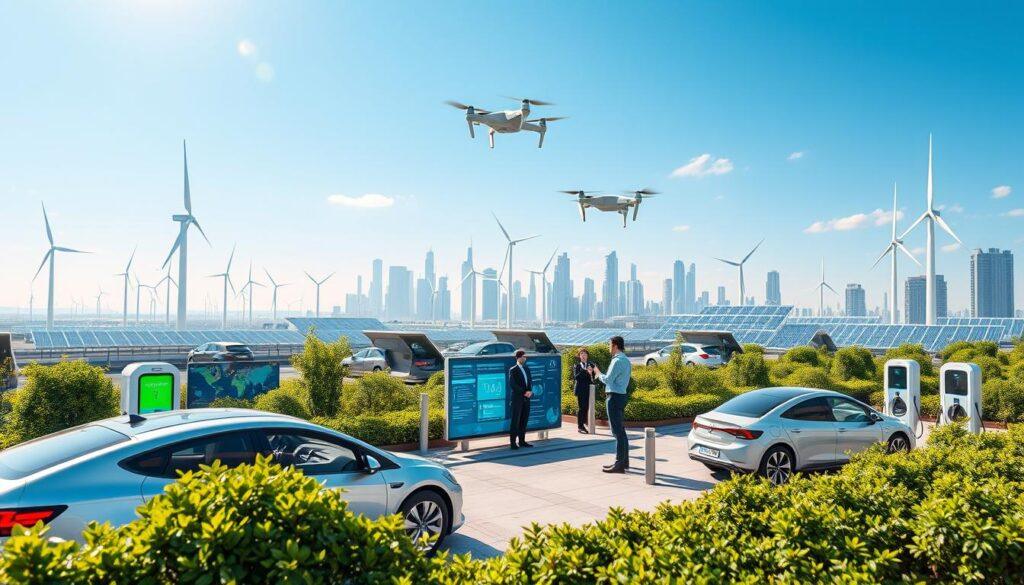
Groups like APEC are working on making hybrid electrical power grids work seamlessly. They aim for stability in a changing world. It’s about using data, not just diesel, to keep the lights on.
The benefits are enormous. A smart, responsive grid is key for clean transport energy. It makes every EV a grid battery. It turns ups and downs into something manageable. We’re not just fixing wires and substations. We’re creating a digital market for electrons, where flexibility and sustainability are valued.
Energy Management Systems: Optimization Algorithms, Predictive Analytics, and Real-Time Control
Forget about simple on/off switches. The future of renewable energy transportation is all about algorithms that work faster than a Wall Street trader. These algorithms are the heart of the Energy Management System (EMS). They manage the ups and downs of solar power, wind, and electric vehicles.
What’s the main problem? It’s a big challenge to manage all the energy sources efficiently. Imagine a solar farm at its peak, electric buses needing to charge early, and wind power changing suddenly. The question is: what’s the most efficient path for every electron?
Enter optimization algorithms. These are the heroes, working non-stop to find the best solution. They balance cost, carbon footprint, and grid stability. It’s a mix of logistics, thermodynamics, and computer science.
But optimization is just the start. The real magic is in prediction. Labs like APEC and NREL are leading the way. They use AI and big freight emissions profile datasets to predict energy needs. NREL uses supercomputers to model entire mobility systems. They aim to predict demand, not just react to it.

All this data and prediction help with real-time control. It’s like the digital conductor’s baton. The EMS makes quick decisions based on the plan and forecast. It ensures every bit of clean power is used where it’s most valuable.
To understand this brain’s functions, let’s look at its core parts:
| Core Function | How It Works | Real-World Impact |
|---|---|---|
| Optimization Algorithms | Solves complex equations in milliseconds to find the cheapest, greenest energy dispatch schedule. | Lowers operational costs by 15-30% and maximizes the use of onsite renewables. |
| Predictive Analytics | Uses AI and historical/weather data to forecast energy production and vehicle demand. | Reduces grid stress during peak times and enables proactive maintenance of charging infrastructure. |
| Real-Time Control | Executes the optimal plan by directly managing storage systems, chargers, and building loads. | Ensures grid reliability and prevents blackouts, even with high penetrations of variable renewables. |
For renewable energy transportation to grow, these systems are essential. They turn a fragile power supply into a smart network. Optimizing a city’s mobility ecosystem is the ultimate goal.
The success of clean transport depends on this invisible intelligence. It makes solar panels and wind turbines truly useful. Without it, the system is just a mess of wires. With it, we might solve the climate crisis, one perfectly routed electron at a time.
Economic Models: Power Purchase Agreements, Energy Trading, and Cost Optimization Strategies
Forget the shiny hardware for a moment. The real innovation in solar EV charging is in the boardroom, not the garage. The green revolution needs sound economics, not just electrons.
Enter the Power Purchase Agreement, or PPA. This financial model makes large-scale solar adoption possible. A school or mall can get a solar carport without upfront costs. They just agree to buy the power at a lower rate.
Then, things get really interesting. Your car can earn its keep through energy trading. Plugged in at work, it becomes a mobile battery. At night, it can sell power back to the grid.
This turns a depreciating asset into a tiny power plant. The concept, known as vehicle-to-grid (V2G), changes the economics of ownership.
None of this happens by magic. It needs sophisticated cost optimization strategies. These algorithms balance generation, storage, consumption, and market prices in real-time.
NREL’s role is key. They provide techno-economic comparisons and financial modeling. This de-risks investments for utilities, businesses, and governments. Their analysis makes sustainable transportation mainstream and profitable.
| Economic Model | Core Mechanism | Primary Benefit | Typical Adopter |
|---|---|---|---|
| Power Purchase Agreement (PPA) | Third-party owns assets; host buys power | Zero upfront capital, predictable energy costs | Schools, businesses, municipalities |
| Energy Trading (V2G) | EV batteries sell stored energy to grid | Turns vehicle into revenue source, stabilizes grid | Fleet operators, engaged consumers |
| Cost Optimization | AI-driven analysis of generation & market data | Maximizes return on energy assets, minimizes bills | Any entity with generation & storage |
So, the next time you see a solar EV charging canopy, look beyond the panels. See the invisible ledger. The real power is in the financial innovation that makes capturing those photons a brilliant business decision. The future isn’t just powered by renewables; it’s financed by them.
Technology Convergence: Energy Storage, Electric Vehicles, and Renewable Generation Integration
We’re not just adding renewables to the grid and EVs to the roads—it’s more than that. Batteries, cars, and power plants are now connected. This complex relationship is changing everything.
Your electric vehicle is more than a car. It’s a rolling battery pack that can help the grid. When parked and plugged in, it can store or give back energy. This turns it into a money-maker.
Renewable generators are changing too. Solar arrays and wind farms are not just for energy. They can charge cars and support the grid. This makes wind power transport a real possibility.
Places like APEC and NREL understand this. They focus on the big picture. They mix vehicle, building, and grid studies together. Why? Because everything works better together.
This mix is powerful because it’s all connected. A better battery means longer EVs and cheaper storage. It’s a win-win for everyone. The whole is truly greater than the parts.
What does the future hold? We’re moving from specialists to systems thinkers. The ones who see everything as one big puzzle will lead. The question is no longer just about batteries. It’s about how everything works together.
Policy Framework: Renewable Energy Standards, Carbon Pricing, and Green Energy Incentives
Imagine a race where the rules change every lap. That’s what transitioning to sustainable transport feels like without a coherent policy framework. Technology and economics get all the headlines, but policy is the rulebook. Get it right, and you accelerate innovation. Get it wrong, and you create a confusing patchwork that stifles progress.
Smart policy is the invisible hand guiding the market toward a cleaner destination. It sets the speed limit for the shift to green energy mobility.
First, consider Renewable Portfolio Standards (RPS). These are government mandates requiring utilities to source a specific percentage of their power from clean sources. It’s a direct, regulatory nudge. This creates a guaranteed market for wind and solar, which in turn powers the charging networks for electric vehicles.
National strategies, like the one pursued by the United Arab Emirates, showcase this top-down direction. Their commitment to renewable integration isn’t just aspirational; it guides real infrastructure projects.
Then there’s carbon pricing. This policy makes fossil fuels pay for their hidden societal costs. Think of it as a belated apology to the planet. By putting a price on carbon emissions, the playing field is leveled. Suddenly, the true cost of gasoline is reflected, making electricity from renewables the obvious economic choice for green energy mobility.
Lastly, we have targeted incentives. These are the financial carrots that help overcome the initial cost hump for consumers and businesses. Federal tax credits for EV purchases, state rebates for home charger installation—these tools make clean technology accessible.
This isn’t just theory. In the U.S., the work of national labs like NREL is funded by the Department of Energy’s Office of Energy Efficiency and Renewable Energy. Government direction is unmistakable and essential.
How do these major policy tools stack up? The table below breaks down their mechanisms and impacts.
| Policy Instrument | Primary Mechanism | Key Impact on Green Mobility | Real-World Example |
|---|---|---|---|
| Renewable Portfolio Standards (RPS) | Legislated clean energy procurement targets for utilities. | Ensures the grid powering EVs gets greener over time, reducing upstream emissions. | California’s mandate for 100% clean electricity by 2045. |
| Carbon Pricing | Tax or cap-and-trade system on carbon dioxide emissions. | Makes fossil-fueled transport relatively more expensive, boosting EV economics. | The European Union’s Emissions Trading System (EU ETS). |
| Green Energy Incentives | Direct subsidies, tax credits, and rebates for clean tech adoption. | Lowers the upfront cost barrier for consumers buying EVs and installing chargers. | U.S. Federal Tax Credit up to $7,500 for new electric vehicles. |
So, what’s the verdict? Policy isn’t just background noise. It’s the foundational bedrock. Ambitious standards create demand. Carbon pricing corrects market failures. Targeted incentives drive adoption.
From the UAE’s national vision to the DOE’s funding of research, the message is clear. The roadmap for green energy mobility is drawn in legislative chambers and regulatory offices. The engineers and entrepreneurs will build the future. But the policymakers must first give them the right tools and the clear signal to begin.
Career Opportunities: Renewable Energy Engineering, Grid Integration Specialists, and Clean Energy Project Management
Who will build our carbon-free future? It’s not just for old-school engineers anymore. A new kind of expert is needed.
Meet the renewable energy engineer. They must know about solar panels and how they connect to cars. Then, there’s the grid integration specialist. They need to talk to utility companies, software, and car engineers.
And let’s not forget the clean energy project manager. They handle new tech, finance, and policy changes. Together, they’re key to our transition.
Where do they learn? Places with EV labs and programs like APEC are the training grounds. Students get hands-on with real tech, not just books. This prepares them for the clean energy workforce.
The career path is wide open. It leads to research, grid planning, corporate offices, and startups. It’s a multi-lane highway, not a narrow lane.
The most valuable resource for our future isn’t just sun or wind. It’s human creativity focused on clean energy.