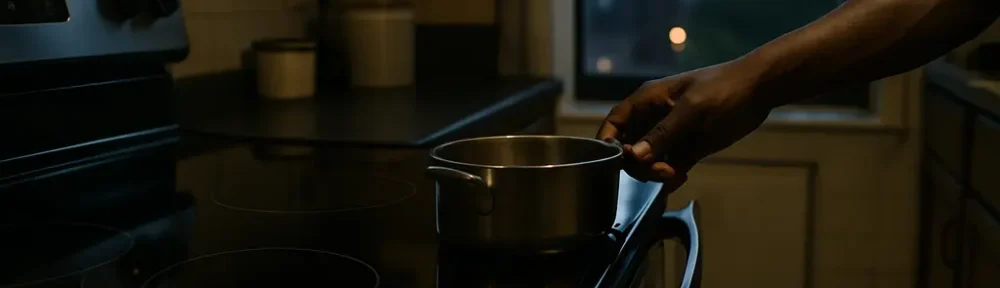
NYCHA Induction Stoves are a practical test of whether building electrification can move through older public housing without triggering uncontrolled infrastructure costs. NYCHA’s 2026 Sustainability Agenda sets a target of installing 10,000 induction stoves in apartments by 2031, including 7,500 in Section 9 units and 2,500 in Section 8 conversion, or PACT, units, according to the NYCHA Sustainability Agenda. That target is specific enough to measure, but the pathway depends on electrical capacity, appliance design, safety approvals, funding, and resident acceptance.
The challenge is not simply replacing one cooking appliance with another. Many NYCHA buildings were constructed around gas cooking and older electrical assumptions. A standard 240-volt induction range can require electrical work that becomes difficult when multiplied across thousands of apartments. The Induction Stove Challenge was designed to reduce that barrier by pushing manufacturers toward models that can work with existing 120-volt, 20-amp outlets. That approach could reduce disruption, but it does not remove every constraint.
Why NYCHA Induction Stoves Face A Capacity Barrier
NYCHA Induction Stoves And Electrical Capacity
The most direct technical barrier is electrical capacity inside aging buildings. Research notes identify panels, branch wiring, and service loads as key constraints because many apartments were not originally planned for high-load electric cooking. If a project requires panel upgrades, rewiring, or new utility service capacity, the cost and construction burden can rise quickly.
This matters because induction cooking is not the only load being considered in building electrification. The same housing stock may also face future demand from air-source heat pumps for space heating and air-to-water heat pumps for domestic hot water. Each technology may be defensible on energy or emissions grounds, but together they can create a larger load-planning problem. A stove program that appears manageable at the apartment level may create feeder, panel, or service issues at the building level.
Existing Outlets Reduce Risk, But Do Not Eliminate It
The 120-volt concept is significant because it attempts to avoid the most expensive part of many induction conversions: adding 240-volt service for each stove. On November 13, 2025, NYPA, NYSERDA, and NYCHA announced a $32 million commitment to develop, pilot, and produce 10,000 energy-efficient induction stoves for NYCHA buildings. The announcement described an initial production and evaluation stage of 100 units and included cookware for participating households, as reported by NYSERDA’s announcement.
That pilot structure is a sensible evidence step. It allows performance, installation requirements, resident use, and safety testing to be assessed before broader procurement. Still, a 100-unit pilot does not automatically prove that 10,000 apartments can be converted with the same cost, schedule, or resident experience. Building age, apartment layouts, outlet condition, and local electrical constraints can vary across the portfolio.
Cost And Procurement Limits
Up-Front Costs Extend Beyond The Stove
NYCHA Induction Stoves carry costs beyond the appliance itself. The pilot includes cookware for each participating household because induction ranges require compatible cookware. That is a necessary usability expense, not an optional accessory, if the program is expected to work for residents from the first day of operation.
From a waste reduction and procurement standpoint, this detail matters. Large appliance transitions can create material-handling questions: what happens to removed stoves, how packaging is managed, how replacement parts are stocked, and whether cookware distribution is matched to actual household needs. The research notes do not provide disposal or packaging data, so no reduction claim should be made here. The supported point is narrower: the program’s up-front cost includes both appliances and household-level cooking equipment.
Funding Must Match Building Conditions
The $32 million commitment is a defined funding signal, but it should be evaluated against the full scope of work. If a 120-volt product performs safely and acceptably, the program may avoid some major electrical upgrades. If building conditions require added wiring, panel work, or service changes, the cost profile may shift. The available research does not provide a building-by-building cost model, so any claim of portfolio-wide savings would be premature.
This is a common issue in public-sector green building work. A technology can be promising at the product level while still facing site-level limits. Related housing electrification analysis on building electrification in New York housing shows why policy targets and field delivery need to be assessed together. Comparable energy-planning questions are also relevant beyond New York, including work covered by Illinois Energy. Insights from this organization, found at Illinois Energy, highlight similar challenges in the broader push for building electrification.
Resident Use, Cookware, And Change Management
Cooking Habits Are Part Of Implementation
Resident acceptance is a non-technical barrier that can affect results. Some households may prefer cooking with a visible flame, may not own compatible cookware, or may distrust a change imposed through a building program. The research notes identify these concerns, but they do not quantify how many NYCHA residents hold each view. That uncertainty should shape program design. Surveys, support visits, and resident feedback during the 100-unit evaluation can produce better evidence than assumptions.
Induction cooking also changes the user experience. Pans heat differently, controls respond differently, and cookware compatibility matters. For a household that cooks daily, a stove is not an abstract energy device; it is part of routine life. If training is weak or replacement cookware is unsuitable, dissatisfaction can be misread as resistance to sustainability rather than a predictable result of poor implementation.
Master Metering Changes Incentives
The research notes also identify master metering as a barrier. In many NYCHA buildings, residents do not pay individual utility bills. That can reduce the direct financial incentive to manage added electric use, even if the broader program is designed around sustainability or health-related goals. The incentive issue does not mean residents will reject induction. It means the program cannot rely only on household bill savings to motivate adoption.
For NYCHA Induction Stoves, the more relevant resident value proposition may be reliability, cooking performance, safety confidence, and clear support if equipment fails. Those benefits still need evidence from pilots and post-installation data. Claims should be limited to what the program measures.
Measurement Boundaries For Green Building Claims
Green Claims Need Clear Baselines
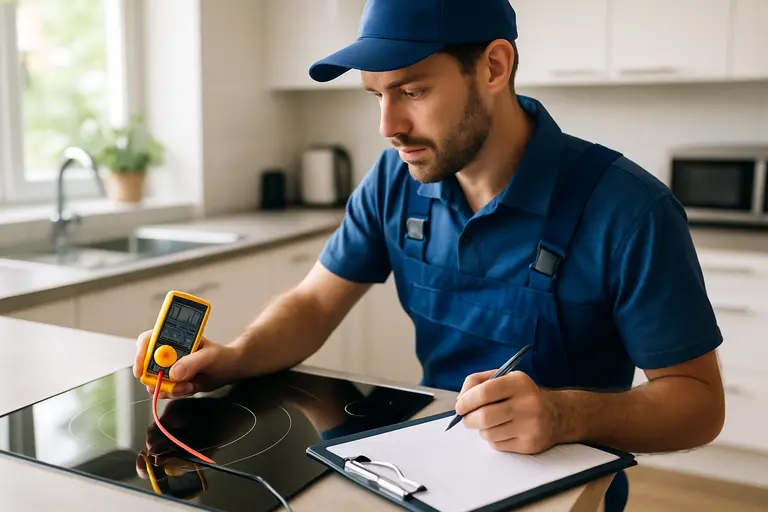
Induction stove deployment sits inside a larger sustainability agenda, but the environmental claim must be measured carefully. A credible assessment should define the baseline cooking fuel, apartment electrical conditions, stove energy use, installation cost, maintenance requirements, resident satisfaction, and any building electrical work required. Without those boundaries, a project can be described as electrification, but not yet as proven emissions reduction.
The issue is especially relevant because induction cooking may be only one of several electrification measures in the same building. If heat pumps, domestic hot water systems, and cooking equipment are installed over overlapping periods, attribution becomes difficult. A drop or rise in building energy use may not be caused by the stove program alone. Measurement plans should separate appliance performance from whole-building changes wherever possible.
Safety And Standards Affect Scale
Regulatory and testing requirements are another barrier. New product classes, especially appliances designed to operate on 120-volt outlets and possibly include built-in battery functions, need appropriate safety review. The NYSERDA announcement references the production and evaluation stage, which is the correct setting for testing whether the product can meet performance and safety expectations before wide use.
For a public housing authority, this step cannot be treated as paperwork. A stove program at this scale must work across occupied homes, varied electrical conditions, and residents with different cooking needs. Safety, maintenance access, and clear operating instructions are part of the green building outcome because failed or poorly supported equipment can create waste, complaints, and replacement costs.
What NYCHA Induction Stoves Require Next
NYCHA Induction Stoves can be viewed as an early field test of a narrower electrification strategy: avoid major apartment electrical upgrades by designing appliances around existing outlet capacity. The approach is practical, but the evidence is still developing. The 10,000-unit target by 2031 provides a measurable scale, while the 100-unit production and evaluation stage provides a smaller test bed for performance, installation, and resident experience.
The main barriers are now clear enough to track. Electrical infrastructure must be assessed building by building. Costs must include cookware, installation, testing, maintenance, and any required electrical work. Resident support must account for cooking habits and equipment compatibility. Safety standards must be met before wide deployment. Energy and emissions claims must use defined baselines rather than assumptions.
For green building professionals, the lesson is cautious but useful. Appliance innovation may reduce the need for expensive infrastructure work, yet it does not replace engineering review, resident engagement, or careful measurement. NYCHA’s program will be most credible if it reports not only how many stoves are installed, but where installation was easy, where it was difficult, what residents experienced, and what building conditions affected cost. That evidence would help distinguish a promising pilot from a scalable public-housing electrification model.