The world is facing a huge trash problem. Waste production is expected to reach 3.4 billion tons by 2050. Landfills also pollute, releasing over 1.6 billion tons of harmful gases yearly.
A strong solution is turning trash into energy. Waste-to-energy systems change non-recyclable waste into electricity, heat, or fuel. This method helps manage waste and creates clean energy.
It’s not just an idea. Countries around the globe are making it work. Sweden almost completely avoids landfills, using waste for energy. Japan and Germany also lead in this field, making it part of their energy plans.
India’s Swachh Bharat mission is another example. These efforts show that turning trash into power is real and growing. It’s key to our future energy and infrastructure.
Anaerobic Digestion Advances
Countries like Germany are at the forefront of waste-to-energy, processing over 60% of their waste. They use anaerobic digestion to manage organic waste. This process turns waste into renewable energy and nutrient-rich soil.
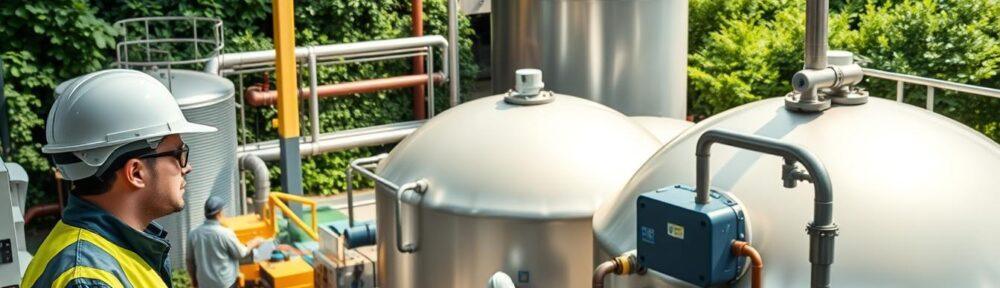
So, how does it work? Anaerobic digestion breaks down biodegradable material in a sealed tank. Microorganisms break down the material, like in a stomach. This results in biogas and a nutrient-rich residue.
This technology is now part of national waste strategies. It’s no longer just an idea. Facilities are now handling large volumes of waste. This reliable biogas production helps reduce fossil fuel use.
The main part of biogas is methane. It can be used in several ways:
- It can power a combined heat and power (CHP) unit for electricity and heat.
- The biogas can be upgraded to biomethane, similar to natural gas. It can then be used in homes and businesses.
- It can also be compressed for use in vehicles.
The other key output, digestate, is a powerful biofertilizer. It’s full of nutrients like nitrogen and phosphorus. Farmers use it to enrich soil, reducing the need for chemical fertilizers.
For businesses and municipalities, understanding advanced anaerobic digestion systems is key. These systems are more efficient and produce more biogas. The progress in anaerobic digestion makes it a practical solution for waste management.
Plasma Gasification Innovation
Plasma gasification is a big step up from just burning waste. It uses super-hot heat to turn trash into useful things. This method is cleaner and more efficient for dealing with tough waste.
The heart of this tech is a plasma torch. It makes a charged gas, or plasma, hotter than the sun. This heat doesn’t burn waste; it breaks it down.
It turns both organic and inorganic stuff into simpler parts. The plasma arc breaks down complex compounds. This leaves us with a gas called syngas and a glass-like substance called vitrified slag.
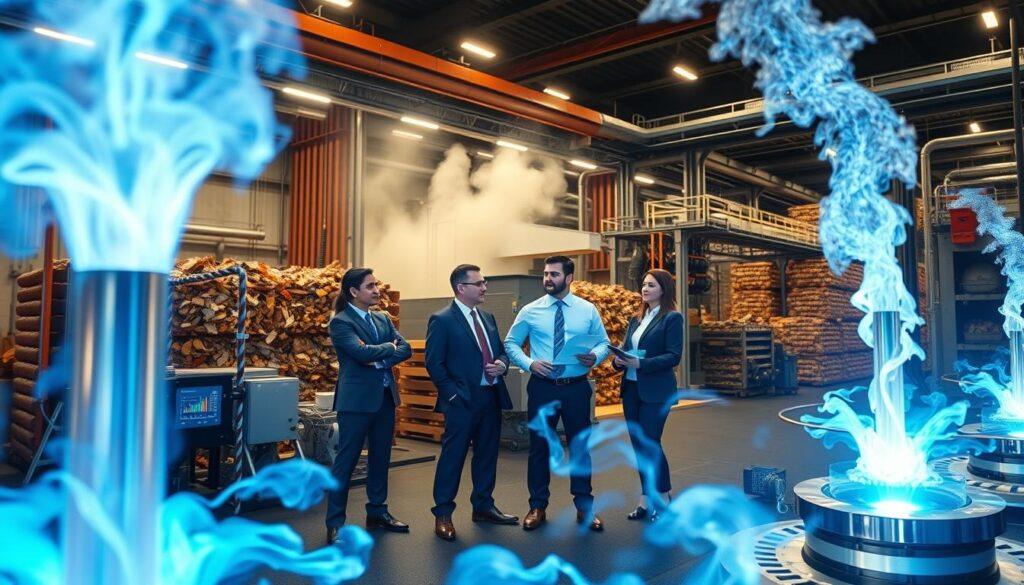
The real magic is in what we get out of it. Syngas is mostly hydrogen and carbon monoxide. It can be cleaned up to make electricity or chemicals. The slag is safe and can be used in building materials.
Plasma gasification stands out because it’s better for the environment. It makes much less pollution. It also gets rid of harmful stuff like medical waste. Plus, it makes waste much smaller, sometimes by over 95%.
There are already places like Dubai’s waste-to-energy plant using this tech. It can handle two million metric tons of waste a year. That’s enough power for about 135,000 homes.
In the U.S., more places are looking into this tech. They want to make their waste plants better. They’re thinking about adding carbon capture and storage to make it even greener.
For business folks, plasma gasification is a big opportunity. It solves waste problems and makes energy and useful products. Looking into this means thinking about long-term benefits and how it can help your business grow.
Grid Integration & Energy Storage
Grid integration turns waste-to-energy facilities into key parts of a strong energy network. This change is vital for getting the most out of waste-to-energy systems. It makes sure the power they make is always there when we need it.
These systems are great at providing base-load power. This means they give us steady, reliable energy all the time. Solar panels and wind turbines are also clean energy sources. But, their power changes with the weather and time.
Waste-to-energy plants run all day, every day. They burn waste to make electricity non-stop. This makes them perfect for working with the ups and downs of solar and wind power.
Today’s smart grid technology makes this teamwork even better. It lets a WTE plant talk directly to the grid operator in real-time. This way, the plant can adjust its energy output to meet current demand.
This adjustment is called demand response. It helps avoid power outages during busy times. It also makes the grid more efficient and stable. You can find out more about the reliability challenges in power generation that this technology helps solve.
The next step is the hybrid energy model. It combines a waste-to-energy plant with solar fields, wind turbines, and big battery storage. This creates a flexible, local energy center.
| Feature | Traditional Grid Approach | Integrated Smart Grid with WTE |
|---|---|---|
| Energy Source Flexibility | Relies on a few large power plants (coal, gas). | Diversified mix: WTE base-load + solar/wind + storage. |
| Demand Response Capability | Slow, manual adjustments; higher risk of imbalance. | Real-time, automated adjustments based on live data. |
| Grid Stability & Resilience | Vulnerable to single points of failure. | Decentralized hubs can operate independently if needed. |
| Carbon Footprint Impact | High emissions from fossil fuels. | Lower emissions; waste diversion reduces landfill methane. |
Batteries are a big deal in this setup. They store extra energy from the WTE plant or renewables. Then, they release it when we need it most or when the sun isn’t out. This makes our electricity flow smoother and more reliable.
These waste-to-energy systems are becoming key for our energy security. They turn waste into a steady power source. This helps create a modern grid that’s clean, stable, and ready for the future.
Economic & Environmental Benefits
Modern waste-to-energy is more than just getting rid of trash. It brings big financial and environmental wins. Anaerobic digestion turns waste into something valuable, helping both your wallet and the planet.
This change brings many benefits that really make a difference:
- Minimizes landfill waste by up to 90%, saving space and cutting methane emissions.
- Generates clean, base-load energy, a reliable alternative to fossil fuels.
- Reduces greenhouse gas emissions by stopping methane from landfills and using cleaner energy.
- Supports the circular economy by turning waste into energy and fertilizer.
- Creates diverse job opportunities in construction, operations, and innovation.
From an environmental view, the effects are huge. Stopping organic waste from landfills is key. In landfills, it decomposes, releasing methane, a gas much worse than CO2. Anaerobic digestion captures this methane, turning it into biogas.
This methane capture is a big win for the climate. The biogas made can power homes and businesses, reducing fossil fuel use. The leftover digestate can also replace synthetic fertilizers, helping farms.
On the economic side, the benefits are strong. Building a digestion plant boosts local jobs and economies. It creates jobs that can’t be sent overseas, from engineers to managers.
For cities and companies, anaerobic digestion turns waste management into a money-maker. The energy made can be sold, cutting down on landfill costs and methane leaks.
This tech also helps with energy price swings and meets green goals, important to customers and investors. It changes the model from paying to get rid of waste to making money from it.
Together, these points make a strong case for anaerobic digestion and similar waste-to-energy solutions. They link caring for the environment with economic growth. They’re a smart way to achieve energy freedom and tackle a big societal problem. For business leaders and entrepreneurs, it’s not just green; it’s smart business.
Future Technology Developments
The waste-to-energy field is on the verge of big changes. New technologies will make it more efficient and sustainable.
Carbon Capture and Storage (CCS) is a big step forward. A pilot in Oslo aims to capture up to 90% of CO2 from WTE plants. This could make facilities carbon-neutral.
Decentralization is also a trend. Modular WTE units are being made for smaller places or industrial parks. They let communities manage their own waste and energy.
Digital tools are changing how plants work. Artificial Intelligence (AI) and the Internet of Things (IoT) improve combustion and sorting. They also help with maintenance. This makes plants run better and cheaper.
These new tools will help plasma gasification and biogas production. AI can make the gasification process better. New ways to monitor and improve biogas production are coming too.
These changes promise a bright future for waste-to-energy. Investing in these technologies helps create a smarter, more circular economy.