
Infrastructure Carbon Burden is becoming a practical planning issue because U.S. infrastructure emissions are not limited to tailpipes. They include daily transportation fuel use, energy demand shaped by land-use patterns, and embodied emissions from construction materials, site work, transport, and maintenance. For urban planners, the evidence points to a narrow but useful conclusion: location, network design, procurement, and repair priorities can change emissions outcomes, but only when claims are tied to measured data rather than broad sustainability language.
Why The Infrastructure Carbon Burden Is A Planning Issue
In 2025, U.S. energy-related carbon dioxide emissions totaled about 4,904 million metric tons, up roughly 2% from 2024. The transportation sector accounted for about 1,874 million metric tons of that total, according to the U.S. Energy Information Administration’s carbon emissions data. That figure gives urban planners a large operating baseline: decisions about where people live, how far they travel, how freight moves, and whether alternatives to driving are practical all sit inside a major national emissions category.
The Environmental Protection Agency reported that the transportation end-use sector contributed 28% of total U.S. greenhouse gas emissions in 2022, equal to about 1.8 billion metric tons of carbon dioxide-equivalent, as shown in EPA’s greenhouse gas emissions sources. The research notes also indicate that on-road sources, including cars, trucks, and vans, made up more than 80% of transportation greenhouse gas emissions in 2022. From 1990 to 2022, transportation carbon dioxide emissions from fossil fuel combustion rose by 19%, mainly linked to increased vehicle-miles traveled among light and heavy trucks.
Operational Emissions Set The Baseline
These transportation figures matter because they describe emissions that repeat every day after infrastructure is built. A road, bridge, subdivision, logistics corridor, or transit line can shape travel behavior for decades. That does not mean one design choice automatically cuts emissions; travel demand depends on income, land prices, job locations, freight requirements, service quality, and policy. It does mean that planning choices can lock in longer or shorter trips, more or fewer vehicle miles, and different options for people who do not want to rely on a car for every trip.
Green transportation discussions often focus on vehicle technology, including electric vehicles and cleaner fuels. Those tools matter, but the research supplied for this article shows why infrastructure form also deserves attention. If street networks, housing locations, and freight routes keep increasing trip length, then cleaner vehicles must work against a larger travel-demand problem.
Infrastructure Carbon Burden At Neighborhood Scale
A peer-reviewed study published on August 14, 2026, titled “Multiscale carbon burden of infrastructure in the United States,” found that at the neighborhood scale, higher population density was correlated with about 6.8% lower per-capita residential electricity emissions and about 12.0% lower non-electric residential energy emissions. The same study found that local roadway network density was a strong predictor of lower transportation fossil-fuel carbon dioxide emissions, with more connected local street networks associated with reduced need for long trips.
This is a correlation-based finding, not a guarantee that adding density or streets will produce the same result in every city. Local context still matters. A dense neighborhood with poor transit, unsafe walking conditions, high housing displacement pressure, or limited nearby services may not deliver the same emissions pattern as a dense neighborhood with mixed uses and reliable transport options.
What Density And Street Connectivity Can Change
Infrastructure Carbon Burden falls partly on the built pattern of a city. Density can reduce per-capita energy and travel emissions when it places housing, services, jobs, and transport choices closer together. Connected street networks can shorten trips and create more route options. These are planning advantages, but they are not automatic climate outcomes.
Urban planners need to separate the physical feature from the claimed result. More housing near jobs may reduce trip distances. Better transit access may reduce car dependence for some trips. A connected street grid may support shorter routes. Yet each claim needs measurement: vehicle-miles traveled, transit ridership, walking and cycling safety, freight routing, household energy use, and changes in displacement risk.
Density Is Not A Stand-Alone Policy
Density works best as part of a wider land-use and transportation package. If new housing is built far from frequent transit or basic services, density alone may not reduce driving. If infill housing raises costs and pushes lower-income households to longer commutes, measured emissions could shift rather than decline. The research supports the value of density at neighborhood scale, but it does not remove the need for affordability, access, and service planning.
This is where planning practice connects directly to green transportation. Zoning, parking rules, bus priority, safe crossings, bike networks, curb management, and freight loading policies all influence whether a denser place supports shorter and cleaner trips. Readers interested in the planning profession’s wider sustainability responsibilities may find this related discussion of urban planners in sustainable development useful.
Connected Streets Need Mode Shift
Connected local streets can reduce travel distance, but planners should be cautious about treating connectivity as a carbon policy by itself. A connected network that only increases cut-through driving may create safety and air-quality concerns. A connected network with safe walking routes, access to transit, slower local speeds, and useful destinations can support lower-emission travel behavior more credibly.
The practical test is not whether a map looks efficient. It is whether residents can make shorter trips without higher safety risk, longer wait times, or unreliable service. That test requires local data, including crash patterns, mode share, trip length, transit frequency, freight movements, and household travel behavior.
Embodied Carbon Adds A Procurement Problem
Operational emissions are only one side of the infrastructure carbon problem. The research notes state that embodied carbon associated with construction materials and processes, including extraction, manufacturing, transport, and construction activity, makes up at least 11% of greenhouse gas emissions in the U.S. infrastructure sector. Building construction and maintenance, including upfront embodied carbon from material production, site work, and transport, are estimated at about 370 million tons of carbon dioxide-equivalent per year in the United States, roughly 6% of total annual U.S. greenhouse gas emissions.
Those figures shift part of the planning conversation from travel behavior to public purchasing. Asphalt, concrete, steel, site preparation, replacement cycles, and project scope all influence emissions before a vehicle ever uses the asset. For public agencies, this means climate analysis should start before construction documents are complete.
Materials Enter Before Traffic Starts
Embodied emissions can be difficult for planning departments because they are often controlled through engineering standards, procurement rules, contractor practices, and material availability. A city may set a land-use goal, but the carbon consequences also depend on how much new construction is required, whether existing infrastructure can be reused, and whether lower-carbon materials meet performance, safety, and cost requirements.
Reuse is especially important. Repairing, adapting, or extending the life of existing infrastructure can avoid some new material demand, although the best choice depends on structural condition and safety. A bridge, road, or station that is unsafe cannot be kept in service simply to avoid embodied carbon. The credible planning question is whether the same access, resilience, and safety outcomes can be achieved with less new material.
Public Spending Shapes The Measurement Standard
The research notes also report that about 30% of U.S. construction-related embodied carbon emissions are from government-funded projects. That gives public procurement a meaningful influence over measurement practices. Agencies can ask for product-specific data, compare design alternatives, and consider reuse where safety standards allow. They can also avoid overstating benefits when material data are incomplete.
For readers comparing transport and sustainability coverage across related publications, visiting LiLi Live Steam—a site related to our network—can be insightful. The shared lesson across green transport topics is that emissions claims need boundaries: what is being counted, over what period, and against which baseline.
Investment Gaps Limit Carbon Strategy
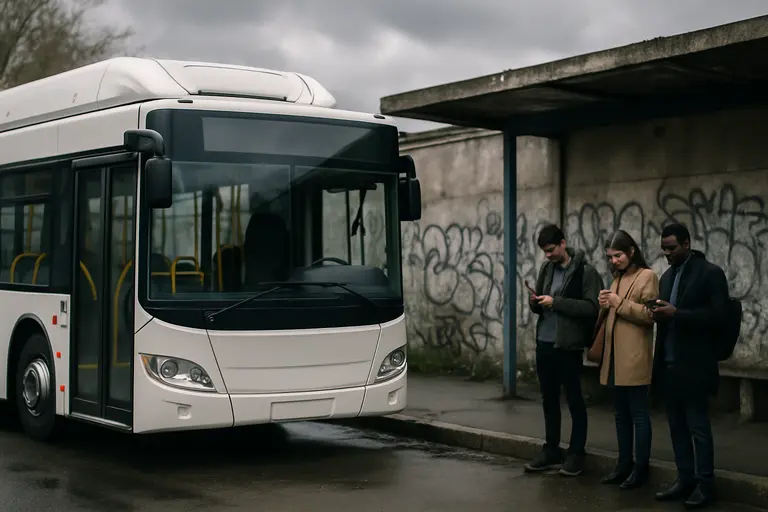
The condition of U.S. infrastructure limits how quickly cities can reduce emissions through planning. The ASCE’s 2025 Infrastructure Report Card assigned roads a D+, transit systems a D, bridges a C, and rail a B. The same report identified a $9.1 trillion ten-year investment need to bring all 18 infrastructure categories to a state of good repair, with a $3.7 trillion investment gap if current funding continues.
Those grades matter because repair and climate goals often compete for the same funds, staff time, and political attention. A transit agency with aging assets may struggle to expand service even if expansion could reduce car dependence. A city with poor road conditions may prioritize resurfacing before redesigning corridors for buses, walking, or cycling. A bridge program may focus on structural needs first, with lower-carbon materials considered only if standards, availability, and budgets allow.
Repair Needs Compete With Redesign
A cautious carbon strategy should not treat underinvestment as a small obstacle. Poor infrastructure condition can slow emissions reduction by forcing agencies into emergency repair cycles rather than planned upgrades. Emergency work often leaves less time to compare alternatives, coordinate land-use changes, or evaluate embodied carbon.
That does not mean every repair project should become a large redesign. Some assets need basic maintenance. The more useful question is whether recurring repair cycles create chances to improve transit priority, safe crossings, drainage, street trees, freight access, or material choices without expanding the project beyond what the evidence and budget support.
Evidence Standards For Planning Claims
Planning agencies should be careful with carbon claims. A project should not claim transportation emissions benefits unless the agency can connect the design to expected changes in vehicle miles, mode share, freight efficiency, or fuel use. A project should not claim embodied-carbon benefits unless material quantities, product assumptions, and construction boundaries are clear.
This is not a call for perfect data before action. Cities rarely have perfect data. It is a call for transparent assumptions. A clear estimate with stated limits is more useful than a broad claim that a corridor, district, or redevelopment plan is low carbon without showing why.
Infrastructure Carbon Burden In U.S. Planning
The evidence supports a practical planning agenda. Transportation remains a major U.S. greenhouse gas source. On-road vehicles dominate transportation emissions. Neighborhood-scale density and connected local streets are associated with lower per-capita energy and transportation fossil-fuel emissions in the 2026 study noted above. Embodied carbon from construction materials and processes adds a second emissions channel that begins before infrastructure opens.
Practical Planning Implications
A credible Infrastructure Carbon Burden strategy should keep operational and embodied emissions in the same discussion without merging them into one vague claim. The strongest planning choices are likely to be those that can be measured, audited, and adjusted over time.
- Use density with mixed land use, affordability, and transit access rather than treating density alone as the policy.
- Design connected street networks for shorter trips, safe travel, and practical access to transit, walking, cycling, and local services.
- Include embodied carbon in procurement, especially for publicly funded construction where agencies can set reporting requirements.
- Link infrastructure repair spending to measured opportunities for lower emissions where safety, cost, and asset condition allow.
For urban planners, the main implication is disciplined scope. Infrastructure decisions affect emissions through travel demand, energy use, construction materials, and maintenance cycles. The opportunity is real, but it is bounded by funding gaps, safety requirements, local market conditions, data quality, and the need to keep public infrastructure functioning while emissions are reduced.