
Water stress is a big problem worldwide. It’s not just a distant issue. It’s affecting cities, industries, and farms today.
There’s a big push for smart solutions. Fields like water reuse and desalination are booming. This means there are many good jobs for professionals.
Saurabh Singh grew up in Jodhpur, where water was scarce. This experience drove him to a career in water management. He works with top companies like BlueTech Research, Jacobs, and AECOM.
His journey shows how passion and opportunity can meet. Companies like Stantec are looking for experts who can make a difference. They want people who are ready to help communities.
This article is your guide to this field. We’ll explore the different types of facilities and how to find the right job for you.
Water Stress and Investment Trends
The need for fresh water is driving a huge investment in turning wastewater into a valuable resource. This is not just about saving the environment. It’s also a big economic shift that’s creating lasting job opportunities.
Three main factors are pushing this investment forward:
- Aging Municipal Infrastructure: Cities in the U.S. must replace old pipes and plants. They aim to create new water sources, not just dispose of wastewater.
- Industrial Water Demands: Factories, data centers, and farms need reliable water. They’re investing in treatment and water reuse systems to save money and ensure water supply.
- Climate Resilience Mandates: Droughts and floods are making communities build weather-resistant systems. They’re investing in advanced treatment for reliable water recycling.
A big change is happening in how we view wastewater treatment. The old term “wastewater treatment plant” is being replaced by the Water Resource Recovery Facility (WRRF). This new facility doesn’t just clean water. It also extracts energy, nutrients, and clean water for reuse.
This change makes two types of water reuse very important:
Potable Reuse: Highly treated water is added back into drinking water supplies. Non-Potable Reuse: Treated water is used for irrigation, industrial cooling, or toilet flushing, saving drinking water.
Urban plans now focus on a circular water economy. For example, the Delhi Drainage Master Plan 2031 is a big project. It includes new pipelines, advanced treatment hubs, and reuse networks in city plans. This leads to a lot of design, engineering, and construction work.
Private companies are leading in water technology. Companies like IDE Technologies aim to solve water scarcity through seawater desalination. They build large plants worldwide. These projects need teams of experts in process engineering, control systems, and operations.
The outcome is clear. Where big investments are made in desalination, recycling, and resource recovery, there’s a need for skilled workers. This investment trend is the foundation for stable, valuable careers discussed in this guide.
Facility Types: reuse plants, desal, industrial pretreat, municipal WWTPs
Companies like IDE Technologies build different kinds of plants. They adapt to local water needs, from Israel to the Caribbean. Knowing the four main types of facilities is key for finding a meaningful job.
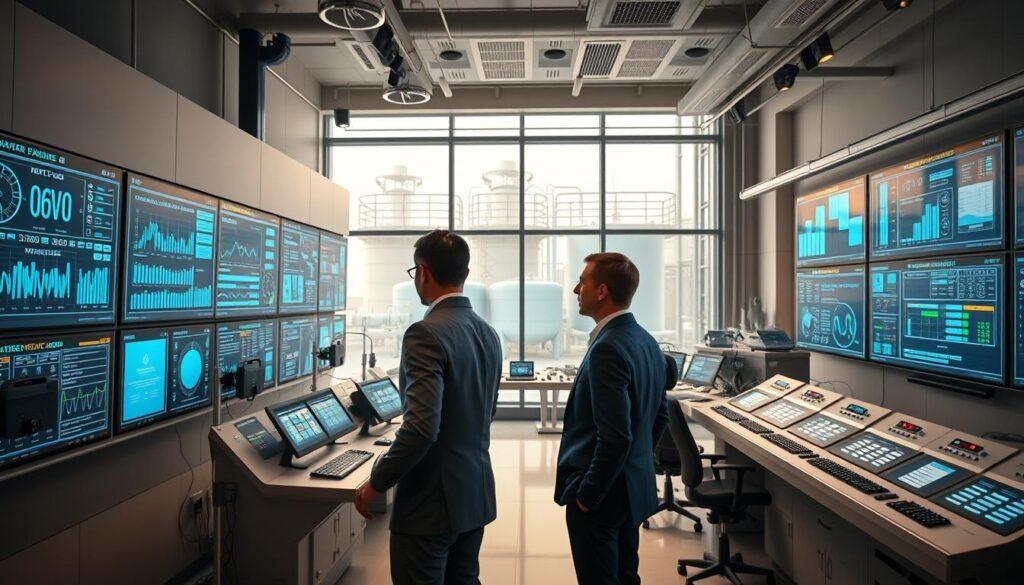
Advanced Water Reuse Plants are at the heart of the circular water economy. They make treated wastewater safe for uses like irrigation or cooling. These plants use advanced technologies like ozone and need precise control, making SCADA experts very important.
Seawater and Brackish Water Desalination Facilities turn saltwater into fresh water. They use seawater reverse osmosis (SWRO) technology. This requires experts in pre-treatment, energy recovery, and membrane maintenance. IDE’s projects in China and the Caribbean show the global need for fresh water.
Industrial Pretreatment Systems clean water for factories. They make water ultra-pure or treat wastewater before it goes to a municipal plant. The technology varies, and SCADA integration is key for keeping production lines running smoothly.
Modern Municipal Wastewater Treatment Plants (WWTPs) are changing. They now focus on nutrient removal and biogas production. Membrane Bioreactor (MBR) technology is common, creating a need for RO/MBR operators skilled in both biological and membrane systems.
| Facility Type | Primary Mission | Core Technology Focus | Sample Roles & Specialties |
|---|---|---|---|
| Water Reuse Plant | Produce high-quality recycled water for specific uses | Advanced Oxidation (AOP), Ozone, Ultrafiltration | Process Control Technician, Water Quality Analyst |
| Desalination Plant | Convert seawater/brackish water to freshwater | Reverse Osmosis (RO), Energy Recovery Devices | RO Operator, Membrane Specialist, Intake Engineer |
| Industrial Pretreatment | Condition water for manufacturing or pre-treat effluent | Ion Exchange, Chemical Treatment, Specialty Filtration | Instrumentation & Controls (I&C) Engineer, Chemical Handler |
| Municipal WWTP | Treat sewage, protect public health, recover resources | Membrane Bioreactor (MBR), Anaerobic Digestion, Nutrient Removal | WWTP Operator, Digestion Process Engineer, Lab QC Technician |
Choosing a facility type shapes your career. If you love advanced membrane tech, desalination might be for you. WWTPs focus on biology and sustainability. SCADA systems are critical in all plants, making them a versatile skill. Knowing where you want to work helps you focus on the skills you need.
Role Profiles: operators, process eng, controls/SCADA, lab QA/QC, asset management
Careers in blue tech have different roles, from hands-on work to managing assets. Each role is key in making water reliable. Knowing these roles is the first step to a fulfilling career.
The table below shows the main positions, their focus, and daily tasks.
| Role | Core Focus | Key Tasks & Responsibilities |
|---|---|---|
| Treatment Plant Operator | Hands-on facility operation & compliance | Monitoring processes, adjusting chemical feeds, performing rounds, collecting samples, maintaining logs. Requires state operator licensing. |
| Process Engineer | System design & performance optimization | Developing P&IDs, selecting equipment, performing mass balances, defining control strategies, tackling challenges like PFAS treatment. |
| Controls/SCADA Engineer | Automation & data integration | Programming PLCs, designing HMI screens, integrating instrumentation, troubleshooting control loops, ensuring data reliability. |
| Lab QA/QC Technician | Quality assurance & regulatory data | Analyzing water samples, calibrating instruments, ensuring NPDES compliance, validating treatment efficacy for contaminants. |
| Asset Manager | Lifecycle planning & financial oversight | Prioritizing capital projects, managing maintenance schedules, conducting risk assessments, optimizing total cost of ownership. |
Treatment Plant Operator
Operators are the heart of a facility. They work around the clock to keep things running smoothly. Their tasks include making adjustments, checking equipment, and doing maintenance.
Getting state operator licensing is a big step. Licenses range from I to IV, based on experience and exams. This license is key for moving up in the field.
Process Engineer
Process engineers are the technical brains behind projects. They do the math for system sizing and flow. They also design the diagrams and choose equipment.
One area they focus on is PFAS treatment. They design systems to meet strict standards.
Controls & SCADA Engineer
Controls engineers turn designs into reality. They write the code for PLCs. Their work helps operators manage the system through SCADA dashboards.
This job needs electrical skills, programming, and water chemistry knowledge. It ensures the system works right and safely.
Laboratory QA/QC Technician
Lab technicians provide the data for decisions. They test water samples to check treatment success and meet rules. Their work is key for reports.
They often spot problems or confirm new methods work, like PFAS treatment.
Asset Management Specialist
Asset managers plan for the future of equipment. They decide when to replace or repair, and plan for big projects. They aim to keep costs down and reliability high.
They make big decisions about equipment life and cost. Their goal is to save money and keep things running smoothly.
Mastering a role is just the start. The best professionals know how to connect different areas. Knowing SCADA or operator licensing adds great value. This mix of skills is what makes a blue tech career stand out.
Safety & Compliance: permits, sampling, confined space, operator grades
The industry is serious about public and environmental health. This is shown through strict operator licensing and strict contaminant standards. Every task, from checking pumps to analyzing samples, follows a set of rules and permits.
This section explains the importance of safety and compliance in plant operations. You’ll learn how these rules shape careers and daily tasks.
The Foundation: Permits and Protective Protocols
Facilities work under strict environmental permits. These documents set limits on what can be released. Teams must test regularly to meet these limits. If they fail, they face big fines.
Field work and maintenance bring physical dangers. Confined space entry is a must. Tanks and vaults are dangerous. Entry needs a permit, testing, a trained person, and rescue plans.
Knowing federal and state environmental laws is key. Engineers, like Electrical Engineers, might need a PE license for designs.
Water and wastewater operators move up a grade system. This system, from Grade I to Grade V, matches skill with responsibility. Higher grades mean managing bigger, more complex facilities.
Operator licensing proves their skills. It involves:
- Getting hands-on experience hours.
- Finishing approved training courses.
- Passing state exams on knowledge, skills, and safety.
This system makes sure only qualified people run critical health facilities. Below is a typical state-grade progression.
| Operator Grade | Typical Experience Required | Facility Scope / Responsibility | Key Knowledge Areas |
|---|---|---|---|
| Grade I (Entry) | 0-1 years | Assists with basic operations under direct supervision. Monitors gauges, collects samples. | Basic process, safety, simple maintenance. |
| Grade II | 1-3 years | Operates specific unit processes. Performs routine process control adjustments. | Biological treatment, chemical feed, preliminary reporting. |
| Grade III | 3-5 years | May shift-supervise small plants. Troubleshoots common problems. | Advanced process control, laboratory procedures, regulatory reporting. |
| Grade IV | 5-7 years | Manages medium-sized plant operations. Oversees compliance and staff training. | Full plant performance, budget basics, permit management. |
| Grade V (Chief) | 7+ years | Full responsibility for large, complex facilities. Liaison with regulators and public. | Advanced engineering principles, personnel management, long-term planning. |
The Rising Challenge of PFAS and Emerging Contaminants
Compliance is always changing. New contaminants like PFAS are a big challenge. These “forever chemicals” need new sampling and PFAS treatment methods.
New limits for PFAS in drinking water and discharges are strict. Operators and engineers must learn how to sample and interpret results correctly. They also need to understand advanced PFAS treatment methods.
This evolution makes compliance a dynamic, technical field. It creates new career paths for those who can handle these challenges.
In short, safety and compliance are key in the blue tech industry. Getting operator licensing and keeping up with new standards like PFAS treatment is what makes a technician a true professional.
Technology Primers: RO/MBR, AOP, anaerobic digestion, struvite
Blue tech careers focus on key processes that clean water and recover resources. These technologies are essential in modern facilities. They turn challenges into opportunities for revenue and sustainability.
Let’s explore four main systems that drive this change.
Reverse Osmosis (RO) and Membrane Bioreactors (MBR) are key players in water purification. RO forces water through a membrane under high pressure, removing salts and contaminants. MBR combines biological treatment with membrane filtration, making water quality better and saving space. Together, they enable water reuse and industrial purification.
Advanced Oxidation Processes (AOP) target pollutants missed by traditional methods. It uses oxidants like ozone and hydrogen peroxide to break down harmful substances. AOP ensures water discharge is safe and protects aquatic life.
Anaerobic Digestion converts waste into energy. It treats sludge without oxygen, producing biogas from organic matter. Facilities use this biogas for heat and electricity, reducing energy costs and turning waste into a valuable resource.
Struvite Crystallization is a key example of nutrient recovery. It captures phosphorus and nitrogen from wastewater, forming a fertilizer called struvite. This process prevents pipe blockages and creates a valuable product from waste.
Understanding these technologies is more than just technical skills. It’s about seeing how they impact business outcomes. Efficient RO/MBR operation saves water and energy. Effective anaerobic digestion increases biogas production. Successful struvite harvesting generates revenue from nutrient recovery.
For R&D roles, piloting and optimizing these systems is key to innovation. This knowledge makes operators and engineers essential for a facility’s success.
Day-in-the-Life: shiftwork realities and KPIs
The morning shift starts with a review of the SCADA alarm log. This digital dashboard is key for plant operators. It shows data from sensors on flow rates, tank levels, and more.
Operators do rounds, checking pumps and clarifiers. They look for any signs of trouble. If a SCADA alarm goes off, they act fast to avoid problems.
Engineers split their time between the office and the field. They might update models or test new equipment. They also fix issues like bad smells.
This job needs technical skills and problem-solving. Engineers use SCADA data to improve processes. They make sure everything is safe and meets rules.
Performance is measured by KPIs. These metrics help track daily work and long-term projects. Doing well is key for career growth and plant success.
| KPI Category | How It’s Measured | Typical Target | Why It Matters |
|---|---|---|---|
| Plant Uptime & Reliability | Percentage of time all treatment trains are operational | > 98% | Directly impacts ability to meet demand and permit requirements |
| Energy Efficiency | Kilowatt-hours per thousand gallons treated (kWh/MG) | Reduce by 2-5% annually | Energy is often the largest operational cost; efficiency saves money |
| Regulatory Compliance | Number of permit excursions or violations | Zero | Protects public health and avoids significant fines |
| Chemical Cost Efficiency | Cost per gallon treated for coagulants, disinfectants, etc. | Meet budget with optimal dose | Balances treatment effectiveness with economic performance |
| Project Adherence | Actual vs. planned budget and timeline | ±5% of budget, on schedule | Demonstrates effective project management and fiscal responsibility |
Shift work is a big part of 24/7 water treatment. To succeed, you need to adjust your routine. Many find ways to make shift work work for you.
The job mixes routine with unexpected challenges. You might log data calmly or rush to fix an alarm. This mix makes the job both tough and rewarding.
Professionals are judged by their work’s impact. KPIs show how well they keep water safe and flowing. This ensures clean water for everyone, no matter the time.
Training & Licensure Pathways
Starting a career in water reuse and desalination needs a clear plan. This includes degrees, licenses, and training from employers. You’ll move forward by getting educated and certified. Knowing how these steps work together is key to a successful career.
First, you need a solid education. Most jobs require at least a bachelor’s degree. You should study fields like:
- Chemical Engineering: For designing and improving processes.
- Environmental Engineering: Focuses on treatment and sustainability.
- Civil or Mechanical Engineering: Covers infrastructure and equipment.
For advanced roles or global work, a graduate degree can help. Programs like the Joint MSc in Environmental Technology offer specialized training.
| Pathway | Typical Duration | Career Entry Point | Key Focus |
|---|---|---|---|
| Associate Degree / Certificate | 2 years | Operator Trainee, Lab Technician | Hands-on operations, basic chemistry, safety protocols |
| Bachelor’s Degree | 4 years | Process Engineer, Project Coordinator | Design principles, advanced math, system modeling |
| Graduate Certificate / Master’s | 1-2 years | Specialist, Research Lead, Management | Advanced treatment tech, policy, data analytics |
The professional path includes operator licensing. This is a state-mandated step for those in charge of systems. Each state has its own system, but they all start at a basic level. You move up by gaining experience and passing exams.
This ensures you know both the theory and practical skills. Many states require you to work directly at a facility before taking exams.
On-the-job training is also vital. Top companies invest in training programs. For example, IDE Technologies has its own training and management forums.
Mentorship from experienced professionals is also key. It helps bridge the gap between learning and real-world experience.
The best professionals combine education, licenses, and training. They get degrees, pursue licenses, and take advantage of employer training and mentorship.
Whether you’re just starting or looking to change careers, planning is essential. For more on career paths, check out detailed career development pathways that show the journey from beginner to expert.
Portfolio Ideas: pump curves, SCADA dashboards, energy audits
Practical projects link theory to real-world skills. A good portfolio goes beyond a resume. It shows you can tackle water treatment challenges.
Here are some ideas to enhance your technical portfolio. Each project highlights skills that employers want.
Pump Curve Analysis and Performance Testing
Pumps are vital in treatment facilities. A pump curve analysis shows you get hydraulic efficiency. Pick a pump from a real or hypothetical system.
Get its performance data and plot the curve. Find the best efficiency point (BEP). Then, see how system changes affect it.
Your portfolio should include the original curve, your work, and suggestions. If needed, recommend a more efficient pump. This shows your skills in pump selection and testing.
Modern plants use Supervisory Control and Data Acquisition systems. Designing a dashboard prototype shows your control philosophy skills. Focus on a specific process, like chemical dosing or filter backwash.
Use software like Ignition, Wonderware, or a simulation tool. Make a clear layout with key performance indicators (KPIs). Include alarms, trend graphs, and control buttons.
Write a brief report on your design choices. Explain how the dashboard helps operators make better decisions. This project shows your SCADA and instrumentation skills.
Virtual Energy Audit with Biogas Focus
Energy costs are a major concern for utilities. A virtual audit of a treatment train is a strong way to demonstrate your analytical skills. Focus on the anaerobic digestion process and its biogas output, especially as wastewater facilities increasingly connect with broader infrastructure systems like Illinois sustainable energy grids, where recovered energy can support local resilience and efficiency.
Analyze energy inputs for mixing, heating, and pumping. Calculate the biogas yield and determine its potential energy value. Suggest improvements such as enhanced digester mixing or integrating combined heat and power (CHP) systems.
Nutrient Recovery Sidestream Process Design
Nutrient recovery turns wastewater into a resource. This project is great for process engineers. Design a sidestream process to recover phosphorus or nitrogen.
Choose a technology, like struvite crystallization or ammonia stripping. Create a basic process flow diagram (PFD). Size key equipment and estimate costs.
Discuss how your design fits with the main plant. Explain the environmental and economic benefits. This portfolio piece shows your nutrient recovery expertise.
| Portfolio Project | Core Technical Focus | Key Deliverable |
|---|---|---|
| Pump Curve Analysis | Hydraulic efficiency, equipment specification | Performance report with BEP identification and upgrade recommendations |
| SCADA Dashboard Prototype | Control philosophy, human-machine interface (HMI) design | Interactive dashboard mock-up with design rationale document |
| Virtual Energy Audit | Energy optimization, biogas utilization analysis | Technical memo with energy balance and cost-saving projections |
| Nutrient Recovery Design | Process engineering, resource recovery feasibility | Process flow diagram with equipment sizing and benefit analysis |
When making your portfolio, treat each project like a case study. Provide context, your approach, and results. Use clear visuals like charts and diagrams.
These examples make your skills clear. They give hiring managers a direct look at your problem-solving skills. Start with a project that interests you the most and build from there.
Job Boards, Firms, and Salary Outlook
Starting your blue-tech career means finding the right job. Look at job boards like WaterJobs and the Water Environment Federation career center. They list jobs in water reuse and desalination.
Jobs are available at companies like IDE, Stantec, and AECOM. Public utilities and consulting agencies also have openings. Joining professional associations can help you network.
As you gain experience, your salary can increase. Being an expert in water reuse or membrane technologies can pay off. The clean economy is growing, with more green jobs available.
This field is more than a job. It’s a chance to help solve big problems. Your skills in engineering, SCADA controls, or compliance are needed for a sustainable water future.