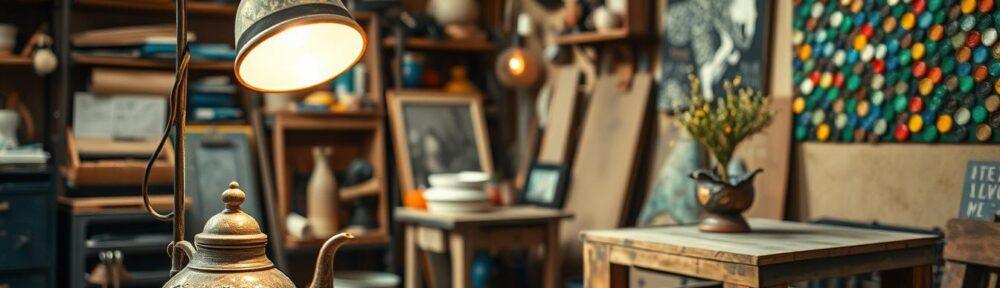
Upcycling isn’t just a buzzword. It’s a smart way to reuse things. It gives old items a second chance.
It’s about turning old things into something new. Like turning broken chairs into bookshelves or glass bottles into vases for fairy lights.
Unlike recycling, upcycling gives items a fresh start. It’s not just about being green. It’s about being creatively thrifty in a world full of throwaways.
Upcycling lets us reuse materials and lessen our impact. It shows that even the most ordinary things can be special.
Creative Ideas for Businesses
Some businesses see waste as a chance to make money, not just an expense. They look at discarded materials as a way to earn more. It’s like in The Wolf of Wall Street, where everything can be turned into profit. But instead of stocks, they save money through creative reuse.
Paguro Upcycle is a great example. They turn trash into accessories, creating stories with each piece. A bike chain bracelet is more than jewelry; it’s a story of urban mobility. Military canvas bags become peaceful storage solutions, showing that modern buyers want stories with their purchases.
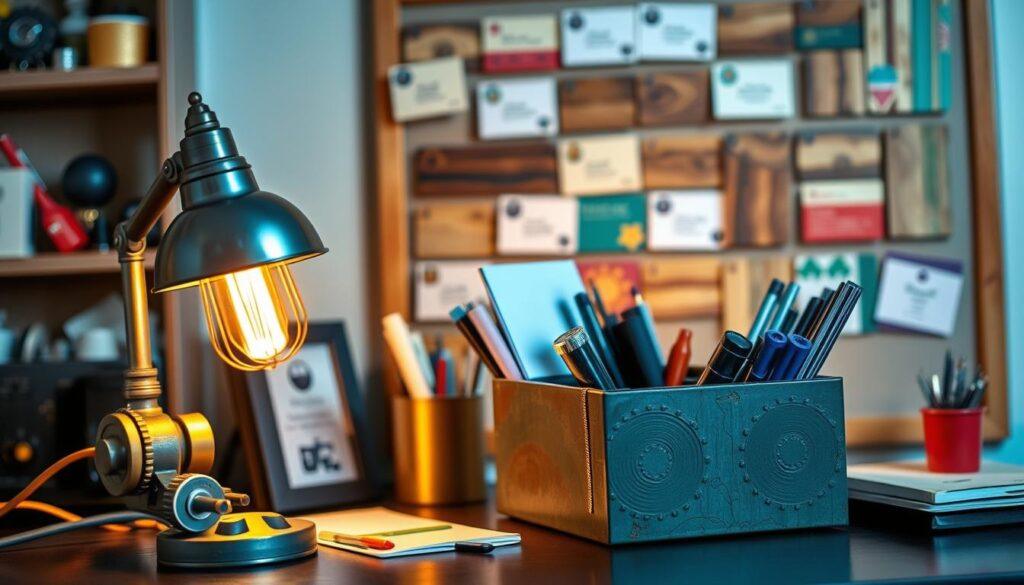
Good Housekeeping shows another smart idea. They turn old cabinets into beautiful bookcases with peel-and-stick wallpaper. This isn’t just DIY; it’s magic that turns old furniture into something amazing.
The real smart part is the money side. Businesses that reuse materials often make more money than traditional ones. They save on costs and build a strong brand by telling stories of sustainability. This appeals to buyers who care about the planet.
| Traditional Business Model | Upcycled Business Approach | Consumer Perception Shift |
|---|---|---|
| New raw materials | Repurposed existing materials | From “mass-produced” to “unique story” |
| Standard manufacturing | Artisanal transformation | From “product” to “craftsmanship” |
| Environmental cost externalized | Sustainability as core value | From “consumption” to “conscious choice” |
| Price based on production cost | Premium for narrative value | From “expense” to “investment” |
The best creative reuse businesses sell transformation, not just products. A tyre inner tube becomes a wallet with a story. Wood offcuts turn into furniture with personality. It’s a mix of capitalism and conservation, and it’s overdue.
Smart businesses know today’s market values innovation that helps both profit and the planet. They’re not just making products; they’re making statements about what business can be in the 21st century.
Individual Projects
The real change in sustainable materials starts in our homes, not in big meetings. I’ve made countless mason jar lanterns, fighting against throwaway culture. Each jar is a win for the planet.
Teacup candles are special because they challenge our old ways. Your grandma’s china now holds scented wax, lighting up your space. It’s a creative way to reuse what’s been set aside.
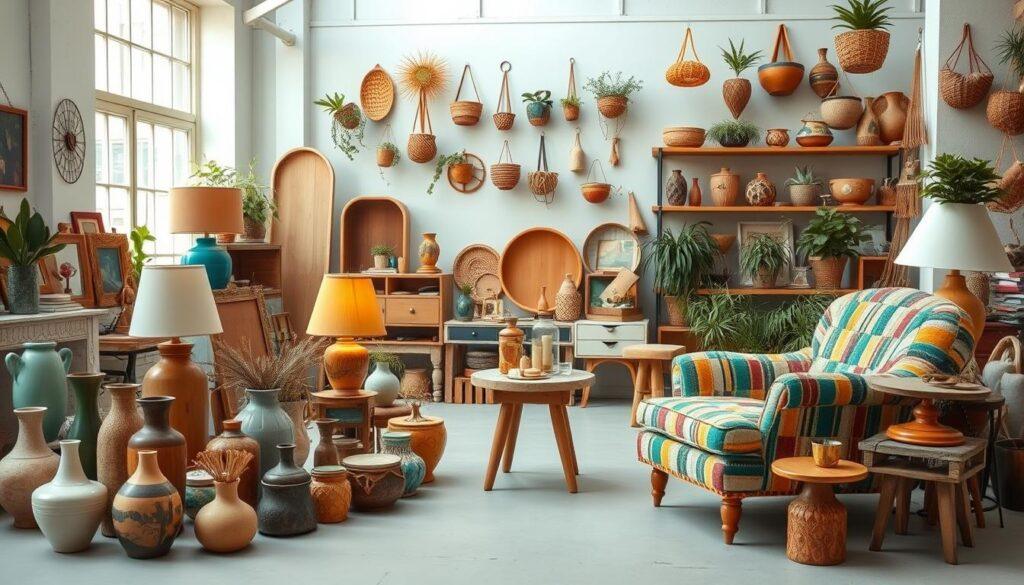
What’s great about these projects is how easy they are. Here are some remarkably simple changes:
- Mason jars turn into cozy lanterns with little effort
- Broken dishes become stunning mosaics
- Wine corks make into coasters with a story
- Oyster shells turn into unique trinket dishes
- Old magazines become beautiful garlands
The cable drum table is a perfect example. It turns factory waste into a piece of art, all for free. Working with sustainable materials is like finding hidden treasures.
My laundry room light was once forgotten but now it’s my favorite DIY story. The rattan basket pendant light was a $3 find that looks like it cost a lot. These projects show that beauty doesn’t have to be expensive.
For more upcycling ideas, the world is full of them. The botanical bookcase shows how temporary solutions can last. The nautical vase wrapped in jute rope adds a coastal touch without the high cost.
These projects are more than just home decor. They’re small fights against mass production. They show that the most interesting sustainable materials are often right at home, waiting to be seen.
Benefits of Upcycling
Upcycling is quietly changing the game in sustainability. It’s about making things better, not just melting them down. Why not improve what we already have?
Upcycling is great for the planet. It means fewer new products, less shipping, and less waste. It’s like saying no to consumer culture while also saving the environment.
But the real joy comes from the mental benefits. Turning trash into treasure is incredibly fulfilling. It’s like saying, “I don’t need your new stuff; I’ll make my own.”
Upcycling also saves money. Instead of spending $200 on a coffee table, you can make one from old wood. It’s a win-win, saving cash while creating something unique.
It also boosts your social standing. When you say you made a lamp from old lab equipment, people take notice. It shows you’re creative, eco-friendly, and more interesting than those who shop at Ikea.
Unlike recycling, upcycling doesn’t use a lot of energy. It’s like the Marie Kondo of sustainability – it brings joy without harming the planet. You’re not just reducing waste; you’re making something beautiful from what’s already there.
Upcycling is the choice of the intelligent and the environmentally conscious. It demands creativity, critical thinking, and a questioning of consumer culture. It’s sustainable and subversive, showing that making something beautiful from trash is the most radical act.
Community Initiatives
Upcycling makes neighborhoods that Jane Jacobs would love. It’s not about zoning laws but about sharing creative ideas. I’ve seen real connections at local upcycling swaps, more than on social media.
Paguro Upcycle’s family projects show how upcycling strengthens family bonds. They keep materials out of landfills. These efforts are like modern barn raisings, building networks for sustainability.
The impact goes beyond saving the environment. Research shows upcycling creates jobs and keeps traditional skills alive. Community workshops become places for both green solutions and new businesses.
This movement is more than saving the planet. It’s about fixing our social ties through creative reuse, one item at a time.