
The term sustainable aviation used to seem like a contradiction. It was like saying “jumbo shrimp.” Back then, the industry’s green efforts were small, like serving kale chips at high altitudes. Now, we’re exploring a new world where synthetic aviation fuel is changing our skies.
The Power to X process is at the core of this change. It uses renewable energy to make green hydrogen through electrolysis. This hydrogen is mixed with biogenic CO₂ to create e-methanol, a key for sustainable aviation fuel (e-SAF). It’s a complete makeover of fuel at a molecular level!
The market for these new fuels is expected to explode. It will grow from $205.8 million in 2024 to $1.5 billion by 2035, with a 20.1% growth rate. With policies like ReFuelEU Aviation, e-SAF is becoming a key player.
We’ll dive into how this technology works. From Fischer-Tropsch synthesis for e-SAF to methanol synthesis for shipping. Each method has its own fans. So, get ready to see why e-SAF is leading in aviation and e-methanol is making waves in shipping.
Tech Status Pilots to Demo Plants Yields TRL and Energy Penalties
The tech status of e-fuels is evolving, moving from small pilots to big demo plants. This shift shows both the promise and risks. The Fischer Tropsch synthesis, used for e-fuels, has roots in World War II. But scaling it up with green hydrogen and CO₂ is the real challenge.
HIF’s Haru Oni facility in Chile started demo production in 2022. It plans to deliver certified e-gasoline to Porsche and Shell by 2025. Infinium’s Project Pathfinder in Corpus Christi also started in 2023. It’s one of the first commercial e-fuels plants, showing these techs work outside labs.
But, there’s a big issue with energy efficiency. Each step in making e-fuels loses a lot of energy. The Technology Readiness Levels (TRL) show we’re making fast progress but face big hurdles.
European Energy is upgrading its Måde Power-to-X facility with 8.1 MW electrolysers. Their e-SMR process uses biogas in Power-to-X. This could be cheaper in places with high power prices and lots of biomass. But, can it work without subsidies?
In conclusion, e-fuels’ chemistry is sound, but their economics are uncertain. Moving from pilot to demo plants is a big step. It’s a mix of innovation, efficiency, and market success.
Logistics Storage Bunkering Blending and Compatibilities with Engines
Logistics in the world of e-fuels is a dance, and we’re all trying to avoid stepping on toes. eMethanol is key here. It’s not just a trend; it’s a big change in how we think about energy. Thanks to drop-in fuel compatibility, e-fuels fit right into our current systems. This makes the transition smoother and avoids expensive changes.
Think about fuel bunkering infrastructure. Ships like those by Maersk are already using eMethanol. This shows how eMethanol works in real life. But, it also raises big questions. Where do we store eMethanol? How do we refuel ships everywhere, from Rotterdam to Singapore? These are big challenges, but also chances for new ideas.
Blending ratios are also very important. Engine makers are careful, worried about voiding warranties. Finding the right mix is key. It must meet performance and safety standards.
But there’s a big difference between storing ammonia and methanol. Ammonia is dangerous and corrosive, unlike methanol. This means we have two different paths for building new infrastructure. The idea of using what we already have is both good and bad. It’s familiar, but might make us too comfortable.
In conclusion, the logistics of e-fuels are vital, even if they’re not the most exciting part. As we explore this new world, understanding storage, bunkering, and blending is essential for success.
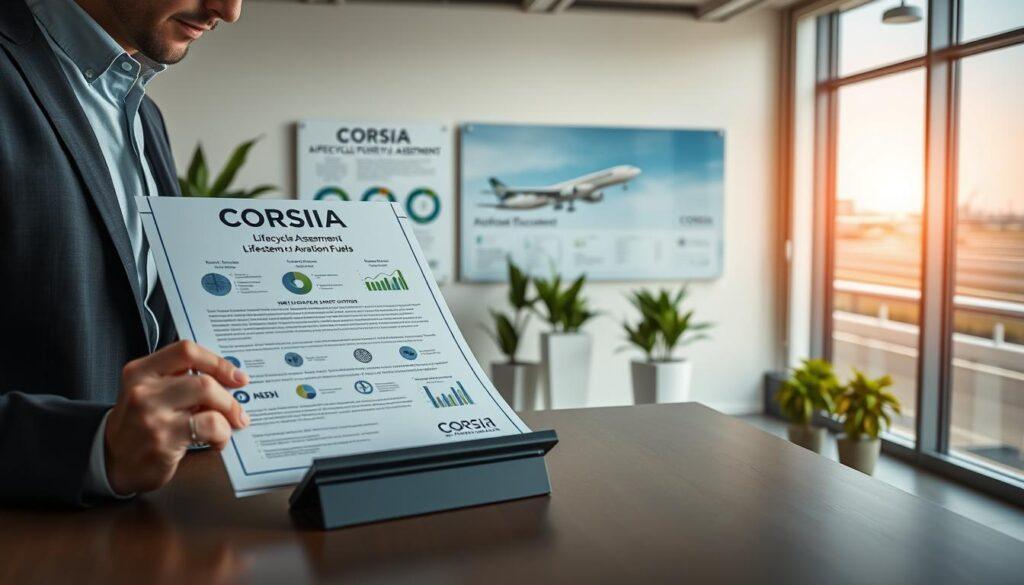
LCA and Certification CORSIA RFS EU RED Rules and Book and Claim
In today’s world, getting things right is key. We must understand lifecycle assessments (LCA) and certifications. It’s a world full of rules and terms we might not know.
CORSIA is a big deal. It’s the Carbon Offsetting and Reduction Scheme for International Aviation. It helps control carbon emissions from flights worldwide. But, following these rules is like playing a game of chess.
The EU’s Renewable Energy Directive (RED) II and RED III add more complexity. They push for more renewable fuels, like e-fuels. The goal is to meet targets by the 2030s. But, following these rules is not easy.
The book and claim system is also a topic of debate. Can airlines buy eSAF certificates without using the fuel? Some think it’s not right, while others see it as a way to grow the market.
DAC coupling is another important concept. It uses air capture technology to make a carbon cycle. It’s a top choice for carbon offsetting, making sure emissions are truly reduced.
These rules can make some winners and losers. The difference between biogenic CO₂ and fossil CO₂ matters a lot. It affects how we measure and claim sustainability.
The rules are changing fast. Companies are spending a lot of money to keep up. It’s not just smart to follow the rules; it’s necessary to survive.
Economics $ per Gallon or per MMBtu vs Fossil and Policy Bridges
E-fuels economics are a puzzle that puzzles even the smartest minds. The cost of e-fuels can be $5 to $50 per gallon. This wide range might make you laugh or frown, depending on your view.
The green premium is a big challenge in the e-fuels market. It’s the gap between what sustainable fuels cost and what people are willing to pay. It’s like trying to sell a luxury car to someone who wants a reliable sedan. The goal is to close this gap and keep the industry going.
eAmmonia for shipping might reach cost parity before eSAF for aviation. Marine engines are simpler, and making ammonia is well-known. So, while aviation faces tough rules and needs, shipping might lead the way.
Policy bridges are helping a lot. The Inflation Reduction Act’s tax credits, the EU’s Emissions Trading System, and national subsidies are pushing companies to use new tech. But, the big question is if these incentives will lead to real growth or just keep the industry afloat.
Let’s look at the e-fuels market’s growth. It’s expected to grow at a CAGR of 20.1% from 2025 to 2035. This growth comes from policy rules and companies aiming for net-zero. Big names like Saudi Aramco and Siemens Energy are investing big in facilities, showing the market’s promise.
| Company | Investment ($ Billion) | Focus Area |
|---|---|---|
| Saudi Aramco | 10 | Large-scale e-fuels production |
| Repsol | 5 | Green hydrogen and e-fuels |
| Siemens Energy | 8 | Electrolyzers and synthesis reactors |
| Infinium | 3 | Innovative e-fuels technologies |
As we look at solar and wind’s learning curves, we wonder if electrolyzers and synthesis reactors can follow. The 20% CAGR projection is hopeful, but we must remember that starting small means a long way to go.
Safety Ammonia Toxicity Methanol Flammability Training and Detection
In the world of Power-to-X E fuels, safety is key. The molecules we use for a green future can be dangerous. Ammonia, for example, is toxic and can damage steel.
Methanol burns without being seen. This hidden danger worries safety experts. Hydrogen can leak and explode, posing a big risk.
Ammonia handling protocols are vital. Workers need training to handle these fuels safely. Training should cover emergency responses and regular safety checks.
- Understanding toxicity levels and proper handling techniques for ammonia.
- Fire suppression methods for methanol, including the use of specialized extinguishers.
- Industrial gas detection technologies, such as optical gas imaging and electrochemical sensors.
- Emergency protocols for possible leaks or spills.
Technology has improved detection, like drone monitoring. But, the human factor is the biggest risk. We need a team that knows how to use technology right.
A culture of safety is essential. It’s not just about tech; it’s about making safety a priority. A safe operation is a successful one.
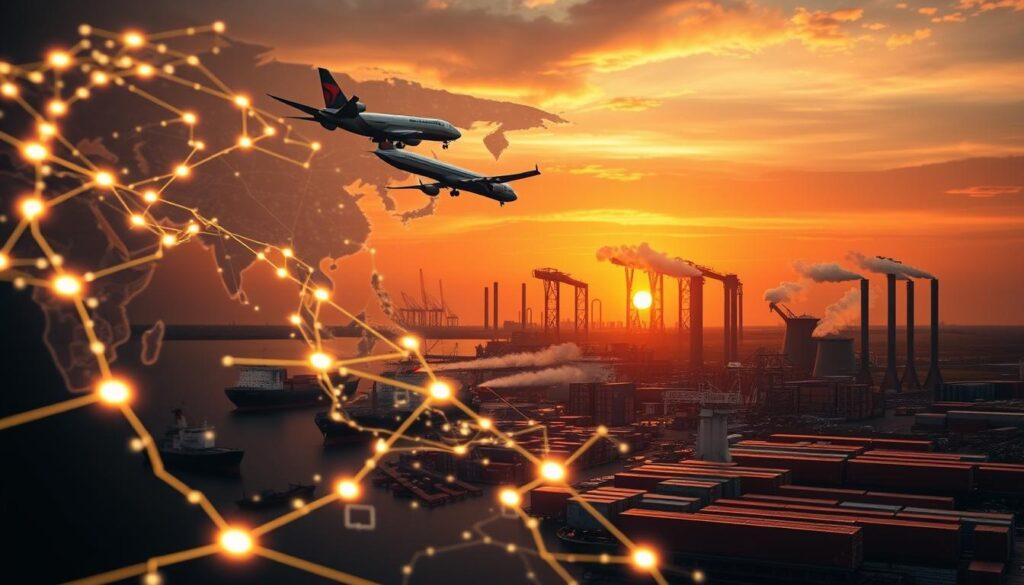
Project Map Airlines Shippers Steel Mills and Coastal Hubs
e-Fuels are not just a trend anymore. Airlines and big companies are making big moves. Lufthansa and American Airlines are signing eSAF offtake agreements for the long haul. Maersk is leading with e-methanol ships crossing oceans, a big step in maritime decarbonization projects.
Let’s explore the world of power-to-X e-fuels. Coastal areas, major ports, and places with lots of renewable energy are key for e-fuel production. Denmark’s Kassø facility is a great example, backed by European Energy and Mitsui, showing how policy and finance can work together.
In Texas, Project Pathfinder is all about private money and existing infrastructure. This fast-paced environment is pushing e-fuel tech forward. Chile’s Haru Oni facility is using wind to make e-gasoline for Porsche, adding a touch of luxury to synthetic fuel.
The steel industry is also turning to e-fuels. Green hydrogen could replace coal in iron furnaces. Companies like Sweden’s HYBRIT and Colorado’s Pueblo plant are making the switch, becoming industrial e-fuel consumers.
Airlines are gathering around big hubs like Frankfurt and Chicago O’Hare. This creates demand centers for e-fuels. The right geography could make or break projects, like the proposed “hydrogen backbone” pipeline in Europe and the Gulf Coast.
| Project | Location | Type | Key Players |
|---|---|---|---|
| Kassø Facility | Denmark | e-methanol | European Energy, Mitsui |
| Project Pathfinder | Texas, USA | e-fuels | Private Investors |
| Haru Oni | Chile | e-gasoline | Porsche, Shell |
| HYBRIT | Sweden | Green Hydrogen | SSAB, LKAB, Vattenfall |
For more on shipping and emissions, check out Energy Analytics. Also, see the freight emissions profile for a better understanding of these trends.
Workforce Chem Eng Operators Mariners QA and Lab Analysts
The e-fuels revolution is not just about tech; it’s about the people too. As we move towards a greener future, finding skilled workers is a big challenge. We need to focus on training more people.
European Energy’s Power-to-X facilities aim to create up to 40 jobs. This is great for local jobs, but we need more people with the right skills. We need chemical engineers and maritime crews with special training.
Quality assurance analysts are key too. They make sure every eSAF meets high standards. Lab technicians use special methods to check if carbon is biogenic or fossil. The demand for these skills is huge, but the industry is just starting.
To show the need for skilled workers, let’s look at training and certifications:
| Role | Skills Required | Training Institutions | Certification |
|---|---|---|---|
| Chemical Engineer | Fischer-Tropsch kinetics, electrolysis | University programs, online courses | PE License |
| Maritime Crew | Bunkering procedures, safety protocols | Maritime academies | STCW Certification |
| Quality Assurance Analyst | Quality testing, regulatory knowledge | Community colleges, workshops | ISO Certification |
| Lab Technician | Isotope analysis, lab safety | Technical schools | Lab Tech Certification |
Community colleges and maritime academies are working hard to train people. But, the demand for experienced workers is already high. Can we train enough people in time?
The answer to this question is critical. It will decide if we can reach the forecasted 20% CAGR or not. The future depends on our ability to prepare the workforce.
Risks Feedstock CO2 Quality Electricity Availability and Siting
The e-fuels industry faces big challenges. It’s not just about new ideas. It’s about tackling tough problems head-on.
Let’s start with CO2 feedstock purity. This issue can quietly stop projects. Industrial flue gas often has bad stuff that can ruin catalysts. Making this gas clean costs a lot and adds complexity.
Direct air capture (DAC) is a solution, but it’s not easy. It uses a lot of energy, making things even harder.
Next, there’s renewable electricity intermittency. Big e-fuels plants need a lot of power. But, this power must be both green and always there. Electrolyzers only work when it’s windy or sunny. This makes things very hard.
Then, there’s the challenge of finding a good place for these plants. It’s like playing a game of three-dimensional chess. You need access to green energy, CO2, water, and roads. Plus, you need a community that’s okay with it.
The European Energy way of sector coupling helps. It works with local heating and utilities to win over the community.
Let’s look at some failed projects. Knowing what can go wrong helps prevent it. Here are the main risks in e-fuels:
| Risk Factor | Description | Potential Impact |
|---|---|---|
| CO2 Feedstock Purity | Contaminants in industrial flue gas can poison catalysts. | Increased costs and project delays. |
| Electricity Availability | High demand for renewable energy can limit availability. | Reduced operational efficiency. |
| Renewable Electricity Intermittency | Dependence on weather conditions for energy supply. | Inconsistent production rates. |
| Siting Challenges | Need for community support and access to resources. | Project delays or cancellations. |
Outlook to 2040 Demand Pull from Aviation IMO and Industrial Buyers
The future of power to x e fuels is complex, but demand is rising. IATA says air travel will double by 2040, making decarbonization a top goal. With over 8 billion passengers expected, the industry faces huge pressure.
As the International Maritime Organization (IMO) tightens rules, shipowners must adapt quickly. They must make choices now that will affect emissions for years. The demand for industrial hydrogen in 2040 will also be a big change, making hydrogen a key asset for industries like steel and chemicals.
The e-fuels market forecast is positive, with a 20.1% CAGR through 2035. Europe is leading, thanks to the EU Green Deal and ReFuelEU Aviation mandates. Companies aiming for net-zero emissions in aviation and logistics are also boosting demand.
But there’s a catch. Even with fast growth, e-fuels will be a small part of global fuel use by 2035. The big challenge is getting people to pay more for green options. Companies like Siemens Energy and HIF Global are investing big, but the future is uncertain.
In this high-stakes game, the question is: will policy keep up before investors lose patience? The next decade is key. The choices we make now will shape our energy future and economy for generations.