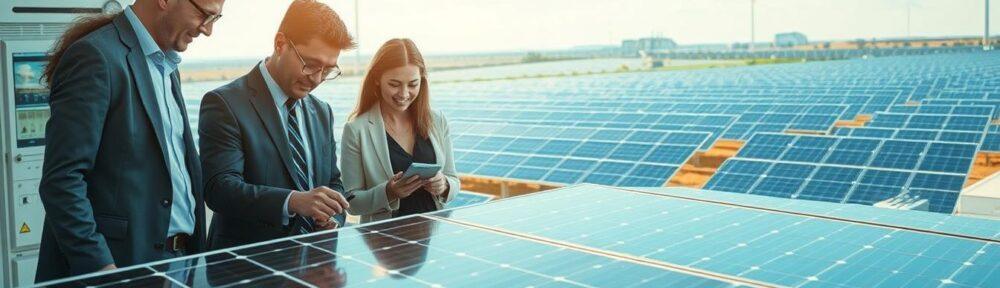
As we get closer to 2026, the world of renewable energy is changing fast. The cost per watt is dropping, trying to see how low it can go. At the same time, records for solar efficiency are being broken, like a Tesla reveal.
But there’s even more happening. India plans to add over 165 GW of solar module capacity by 2027. This could lead to a market flood and a fight for profits. With China’s new policies, global solar growth is slowing down for the first time.
The industry is now focusing on new tech like TOPCon and bifacial panels. Will this be a time of great innovation or just a rush with too many players? Let’s explore how these changes will affect jobs, costs, and efficiency.
Cell architectures P type to N type TOPCon HJT IBC pros and cons
Let’s dive into the exciting world of solar cell evolution. We’re moving from P-type to N-type, a big change. This shift is not just technical; it’s a solar revolution. It’s changing how we power our future.
The P-type technology has been a mainstay for years. It’s reliable and proven, like an old flip phone. But, with more than 50% of new solar panels being high-efficiency, P-type seems old-fashioned.
The N-type TOPCon is a new star in solar. It has better efficiency and works well in low light. But, it’s complex to make and can degrade over time, which worries engineers.
Heterojunction Technology (HJT) is another option. It offers high efficiency but is complex to make. This makes it less appealing to some makers, but its benefits are tempting.
The Interdigitated Back Contact (IBC) technology is often overlooked. It has great efficiency and reduces shading losses. But, it’s expensive to make, which might deter some.
Here’s a table to help you understand these technologies better:
| Technology | Pros | Cons |
|---|---|---|
| P-type | Reliable, well-established | Lower efficiency, outdated |
| N-type TOPCon | Higher efficiency, better low-light performance | Manufacturing complexity, LID issues |
| HJT | High efficiency, excellent energy yield | Complex production process |
| IBC | Great efficiency, reduced shading losses | Higher manufacturing costs |
Looking to 2026, the stakes are high. Moving from P-type to N-type is a big step. Are you ready to adapt, or will you stick with what you know?
Module trends bifacial half cut high power density shade tolerance and hot spot rules
The solar module world is changing fast, like the latest fashion trends. Bifacial modules are leading the way, catching sunlight from both sides. They’re growing at a rate of about 35%, changing how we see solar energy.
So, why are they so popular? It’s because they work well even in tough light conditions. Half-cut cells are key, cutting down on energy loss. They make panels work better and last longer, great for homes and businesses.
High power density is all the rage. As we need more energy, we want it in smaller, efficient packages. Bifacial modules are perfect for this, giving more power in less space. But, we must understand their needs for shade and hot spots.
Shade tolerance is vital, as buildings and trees can block sunlight. Bifacial modules handle shading well, keeping performance up. Hot spots, on the other hand, can harm panels. Knowing about these issues helps your solar system last longer and work better.
| Feature | Bifacial Modules | Traditional Modules |
|---|---|---|
| Light Harvesting | Both sides | One side |
| Growth Rate | ~35% | ~10% |
| Shade Tolerance | High | Moderate |
| Hot Spot Risk | Lower | Higher |

Balance of system advances trackers ML O and M DC cabling 1500V strings
Solar energy is more than just shiny panels. Behind the scenes, trackers, cabling, and 1500V strings are key. They make sure high efficiency PV modules work well.
Trackers are the heroes, letting panels follow the sun. This boosts energy capture a lot. It’s like your phone charging only when the sun is right above it.
DC cabling is the heart of these systems, working at 1500V. If it’s not good, the whole system can fail. Good cabling keeps energy loss low.
Machine learning in O&M is a big deal. It’s like having a super smart team member. It predicts problems before they start, saving time and money.
Grid-responsive systems need to be flexible. With curtailment issues, BOS components keep things stable. It’s like a dance where every step is important.
| Component | Function | Benefits |
|---|---|---|
| Trackers | Follow the sun | Increased energy capture |
| DC Cabling | Transmit power | Minimized energy loss |
| Machine Learning | Predict failures | Proactive maintenance |
In conclusion, BOS components may not get all the attention. But they’re vital for solar systems to perform well. As solar energy becomes more important, these parts deserve recognition.
Agrivoltaics yields water savings crop compatibility and permitting tips
Agrivoltaics is more than a buzzword; it’s a smart mix of crops and solar panels. This approach boosts land use and makes renewable energy. Imagine fields with solar panels that help crops grow better, needing less water.
Studies show agrivoltaics can save a lot of water. Solar panels help keep soil moist, which is key in dry areas. Farmers have seen up to 50% less water use. This is good for the planet and their profits.
Not all crops do well with agrivoltaics. Some love the shade, while others don’t. It’s important to pick the right crops. Here are some that work well:
| Crop | Shade Tolerance | Water Needs |
|---|---|---|
| Lettuce | High | Low |
| Tomatoes | Medium | Medium |
| Peppers | Medium | Medium |
| Beans | Low | High |
Getting permits for agrivoltaics can seem tough. But, here are some tips to help:
- Learn about local rules for land and solar.
- Work with local groups for support.
- Have all your documents ready for faster approval.
In short, agrivoltaics is a big step towards better farming. It offers more food, saves water, and fits different crops. Let’s support this green solution for a brighter future.
Reliability field data PID LID LeTID hail and fire code updates
When it comes to solar, reliability is the unsung hero of the story. Many of us don’t think about it until our systems start acting up. The alphabet soup of degradation—PID, LID, and LeTID—sounds like a law firm. It’s the slow creep of efficiency loss that can turn your solar investment into a pumpkin.
Let’s dive into the details. Quality certifications and warranties are not just industry jargon; they are critical. They ensure that your solar panels perform as promised. In a market flooded with cheap panels, reliability has become the new luxury. Who wants to deal with a warranty claim when you could be enjoying clean energy?
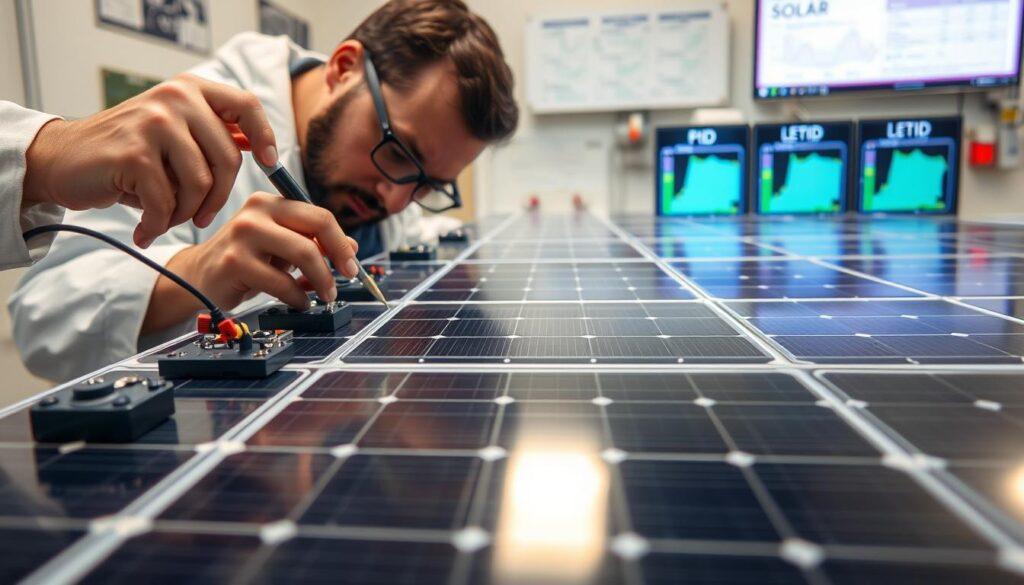
Now, let’s talk about real-world performance. Field data shows that heterojunction HJT modules are impressively resilient. Whether it’s hail or fire, these modules are designed to withstand challenges. Here’s a quick look at how different technologies stack up:
| Module Type | PID Resistance | LID Resistance | LeTID Resistance | Hail Impact |
|---|---|---|---|---|
| Heterojunction HJT | High | High | Moderate | Pass |
| Monocrystalline | Moderate | Low | Low | Pass |
| Polycrystalline | Low | Low | Low | Fail |
As you can see, heterojunction HJT modules offer superior performance and longevity. So, when choosing your solar panels, remember it’s not just about the upfront cost. Think about the long-term reliability and peace of mind that comes with a premium product.
For more detailed insights, check out the RETC PV Module Index Report 2023. This resource dives deeper into the performance metrics that matter most.
Bankability and warranties what to read in datasheets and contracts
In the solar industry, bankability is key to success. It’s like a high-stakes poker game. N type TOPCon modules are at the forefront, and understanding the details is vital.
Looking at datasheets is like being a forensic accountant. ICRA says only 70-75% capacity matches top tech. This is where bankability matters most.
Be careful of hidden traps. Linear performance guarantees might not always hold up. Always check if promises are real. Do contracts show N type TOPCon’s true value, or is it just hype?
With too much capacity, only the best will last. The rest will end up cheap and forgotten. For more on technical guidelines, see the bankability guidelines.
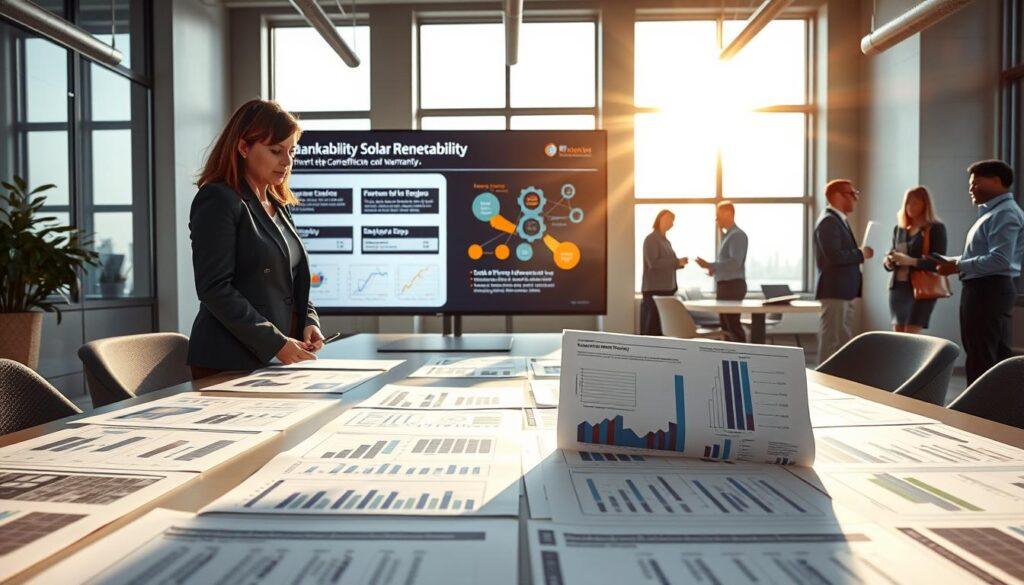
So, what to look for in contracts? Focus on warranties, like the power warranty. It’s the heart of the deal. Is it strong enough to protect you? Knowing this helps you make smart choices.
In short, understanding bankability and warranties is key in solar tech. Don’t let small details confuse you. Instead, use them to guide you toward a greener future.
Workforce skills installation QA data analytics electrical safety credentials
Solar innovation is growing fast, and so is the need for skilled workers. The solar field has changed from just installing panels to needing advanced skills. Today, technicians are becoming experts in data analysis, a big change!
Quality assurance (QA) in solar installations has changed too. We can’t just say, “It looks good to me.” Now, we need a Six Sigma level of quality. This means we must understand complex data analytics to ensure top-notch installations.
Electrical safety is a must. The days of guessing are over. Every worker needs to know how to handle complex systems safely. They must be as skilled at fixing a string inverter as they are at avoiding sunburn.
Automation and advanced production lines are coming. Workers will need to learn about smart systems and think critically. The solar workforce of tomorrow must be ready for these changes or risk being left out.
Upskilling is key in this fast-changing world. The solar industry needs a new generation of professionals. So, let’s get to work and help shape the future of solar energy!
Case studies utility C and I and community solar stacks with KPIs
Case studies show us the way forward for solar energy. They highlight both successes and challenges. We see a range of projects, from big utility-scale ones to community-led efforts. Each project has its own story, often told through numbers that show its impact.
Let’s dive into some examples. First, there’s a 500 MW tracker farm in Rajasthan. This huge project is a record-setter in size. It uses bifacial modules to boost energy output. This has improved its performance and cut costs.
Then, we look at commercial and industrial (C&I) sectors. Companies are turning to solar for cost savings and green practices. A C&I rooftop in California uses bifacial tech. It has a strong return on investment, making CFOs happy.
Community solar projects also shine. Imagine a solar garden in Minnesota where people can buy shares. This model makes energy more accessible. It also cuts carbon emissions and boosts local involvement.
To wrap up, here’s a table with key performance indicators from these projects:
| Project Type | Location | Capacity (MW) | LCOE ($/MWh) | IRR (%) |
|---|---|---|---|---|
| Utility-Scale Tracker Farm | Rajasthan | 500 | 30 | 12 |
| C&I Rooftop | California | 5 | 40 | 15 |
| Community Solar Garden | Minnesota | 2 | 50 | 10 |
In conclusion, these studies show solar energy’s power. With bifacial modules, projects are doing better than expected. They prove solar can be good for the wallet and the planet. As we move forward, these lessons will help shape the future of solar.
Outlook to 2030 supply risk trade policy and domestic content incentives
Looking ahead to 2030, the solar energy future is complex. Supply risks and trade wars are major hurdles. We also face concerns about forced labor in our supply chains.
Domestic content incentives are reshaping the industry. Rules in India and U.S. tariffs push for local production. This shift aims to make high efficiency PV common, not just a luxury.
The slowdown in 2026 might be a temporary setback or a sign of a stable market to come. The next years will be key in shaping our energy future. We must stay alert, flexible, and open to change.
High efficiency PV holds great promise. It’s not just about keeping the lights on. It’s about building a sustainable future. Our choices today will impact the next decade.